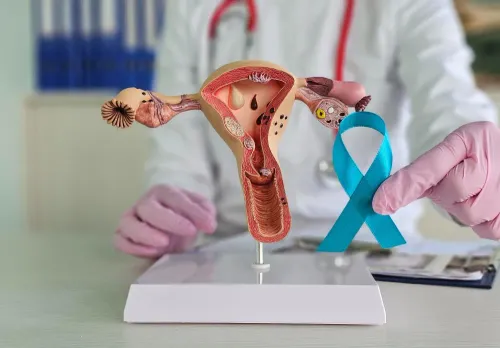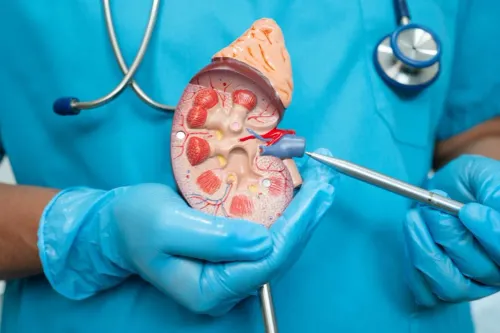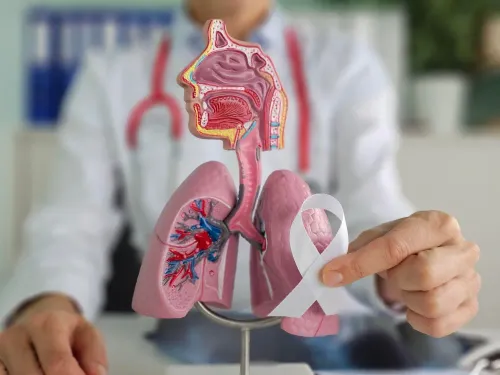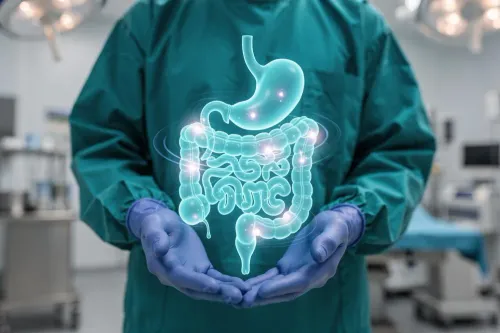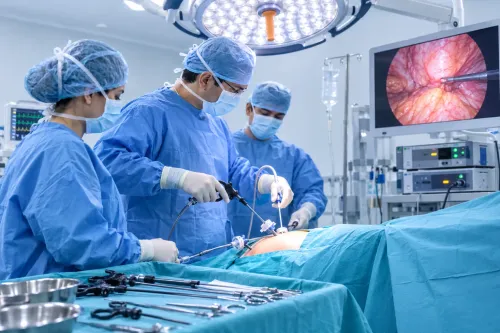

Cancer treatment sometimes creates a difficult balance. Removing an entire organ may provide one route to tumor control, while a more selective procedure may preserve important function. When medically appropriate, Organ Preservation Surgery aims to achieve effective cancer removal without sacrificing more healthy tissue or function than necessary.
This approach is not available for every cancer. Patient selection is crucial.
What Does Organ Preservation Mean?
Organ preservation can mean different things depending on the cancer site.
It may involve removing only part of an organ, preserving important nerves, retaining structures responsible for speech or swallowing, or avoiding unnecessarily extensive tissue removal.
Examples can arise in cancers affecting the kidney, breast, digestive system, head-neck region, reproductive organs, and other sites.
The objective is not simply to perform less surgery. The objective is to perform enough surgery for appropriate cancer treatment while preserving function where oncologically safe.
Who May Be Suitable?
Several factors influence whether Organ Preservation Surgery can be considered:
- Cancer type
- Tumor size
- Tumor location
- Disease stage
- Relationship with surrounding structures
- Lymph node involvement
- Response to previous treatment
- Patient's overall condition
- Expected functional benefit
The same procedure may be appropriate for one patient but unsafe or inadequate for another.
Why Smaller Surgery Is Not Always Better
Patients understandably prefer procedures that remove less tissue. However, preserving an organ cannot come at the cost of inadequate cancer clearance.
If a tumor extensively involves an organ or critical surrounding structures, a more substantial operation may provide a better oncological strategy.
This is why treatment decisions should be based on imaging, pathology, staging, and multidisciplinary discussion rather than preference for a particular operation alone.
Function Matters After Cancer Treatment
Survival and disease control are central goals, but modern cancer care also pays attention to life after treatment.
Depending on the organ involved, preservation can potentially influence:
- Speech
- Swallowing
- Urinary function
- Kidney function
- Bowel function
- Appearance
- Mobility
- Reproductive potential
These outcomes can have significant effects on long-term quality of life.
Preservation May Require Other Treatments
An organ-preserving strategy does not necessarily mean less overall treatment.
In some cancers, chemotherapy or radiation therapy may be used before or after surgery. In other cases, patients require closer surveillance following a conservative procedure.
Patients should therefore compare complete treatment pathways rather than comparing surgery alone.
How Should Patients Evaluate This Option?
A useful surgical oncology consultation should address three questions: Can the cancer be treated adequately with a preserving approach? What function is realistically likely to be retained? What are the consequences if pathology shows more extensive disease than expected?
Dr. Parag Ingle evaluates surgical options for patients requiring cancer care in Nagpur, including situations where preservation of healthy structures may be considered alongside oncological safety.
Patients travelling within Maharashtra for surgical evaluation should bring their pathology slides or reports, imaging, and records of previous treatment whenever possible. Complete information makes it easier to assess whether a conservative procedure is realistic.
Organ Preservation Surgery represents an important principle in contemporary cancer care, but preservation should never be treated as a promise. Its value depends on careful selection, sound cancer surgery principles, and a clear understanding of what can safely be retained without compromising the primary treatment objective.
Keywords