Cancer surgery has changed significantly over the years. Today, Advanced Cancer Surgery is not simply about removing visible growth. Surgical planning considers the type of cancer, its stage, nearby organs, lymph nodes, expected recovery, long-term function, and whether surgery needs to be combined with chemotherapy, radiation therapy, or other treatments.
For patients and families in Nagpur, Maharashtra, understanding this process can make discussions with the cancer care team clearer and help them prepare for the decisions ahead.
What Does Advanced Cancer Surgery Involve?
Cancer surgery aims to remove malignant tissue while preserving as much healthy tissue and normal function as medically possible. The exact approach depends on where the cancer originated and whether it has spread.
Before recommending surgery, specialists may review:
- Biopsy and pathology findings
- CT, MRI, PET-CT, or other imaging
- Tumor size and location
- Involvement of nearby structures
- Lymph node status
- General health and fitness for surgery
- Previous cancer treatments
- Expected benefits and risks of the procedure
This evaluation helps determine whether surgery is appropriate and what type of operation may provide the most meaningful clinical benefit.
Surgery Is Not Always the First Treatment
A common misconception is that every operable cancer should be removed immediately. Cancer care is often more complex.
Some tumors are best treated with surgery first. In other situations, chemotherapy, radiation therapy, targeted treatment, or another therapy may be recommended before an operation. This is sometimes done to shrink the tumor or improve the possibility of complete removal.
Treatment order depends on cancer type, stage, biology, and established clinical protocols.
Open Surgery Compared With Minimally Invasive Approaches
Traditional open surgery remains necessary for certain cancers, particularly when extensive access is required.
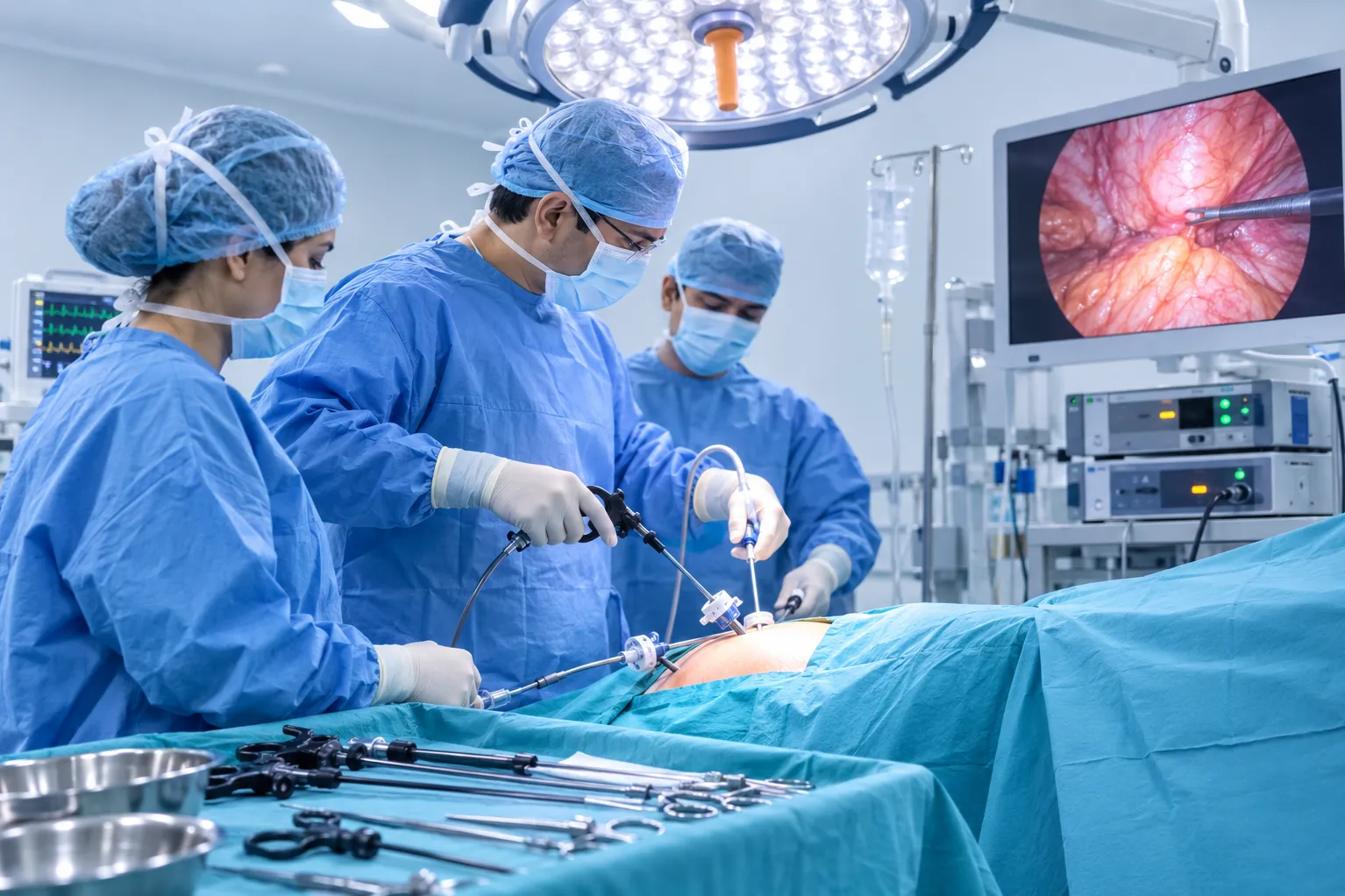
For appropriately selected cases, minimally invasive techniques may be considered. These include laparoscopic and robotic procedures performed through smaller incisions using specialized instruments.
Potential advantages in selected patients can include:
- Smaller surgical incisions
- Reduced postoperative discomfort
- Earlier mobilization
- Shorter hospital recovery
- Faster return to routine activities
However, minimally invasive surgery is not automatically better for every tumor. Cancer clearance and patient safety remain more important than incision size.
Why Surgical Margins Matter
During Advanced Cancer Surgery, the objective is often to remove the tumor with an adequate margin of surrounding tissue when clinically required.
The removed specimen is examined by a pathologist. The pathology report may provide information about the cancer type, grade, margins, lymph nodes, and other characteristics.
These findings can influence decisions about further treatment after recovery from surgery.
Recovery Is Part of Cancer Treatment
Recovery does not end when the operation is completed. Patients may require pain management, nutritional support, wound care, physiotherapy, breathing exercises, or rehabilitation depending on the procedure.
Follow-up is equally important. The surgical team reviews healing and pathology findings, while the broader oncology team determines whether additional therapy or surveillance is required.
Dr. Parag Ingle provides surgical oncology consultation for patients requiring assessment of cancer surgery options. Such consultations can help patients understand whether an operation is indicated, what surgical approach may be appropriate, and how it fits into the complete treatment pathway.
For families navigating cancer care in Nagpur and the wider Maharashtra healthcare setting, asking specific questions about the purpose of surgery, alternatives, expected recovery, and subsequent treatment can make the process easier to understand.
Advanced surgery is ultimately one component of comprehensive cancer care. The most appropriate operation is one chosen according to the individual cancer diagnosis rather than a single technique applied to every patient.
Keywords