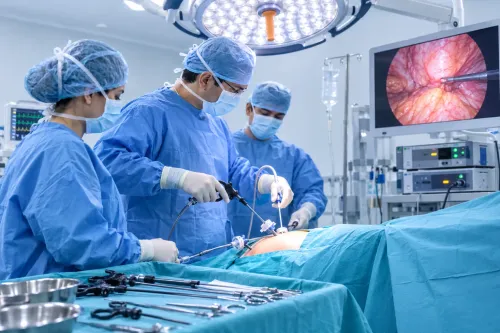

Cancer surgery has changed significantly over the last decade. Traditional open procedures are still necessary in some situations, but minimally invasive surgery for cancer is helping many patients recover faster with reduced physical strain. In cities like Nagpur, patients are increasingly asking about laparoscopic cancer surgery and Video Assisted Thoracoscopic Surgery (VATS) because recovery time has become an important concern for both families and working professionals.
Minimally invasive cancer surgery uses smaller incisions, specialized instruments, and camera-guided techniques to remove tumors with greater precision. Compared to conventional open surgery, this approach may reduce pain, blood loss, and hospital stay for selected patients.
Patients commonly benefit in several ways:
- Smaller surgical scars
- Reduced postoperative discomfort
- Lower infection risk
- Faster mobility after surgery
- Quicker return to daily activities
- Reduced hospital stay in many cases
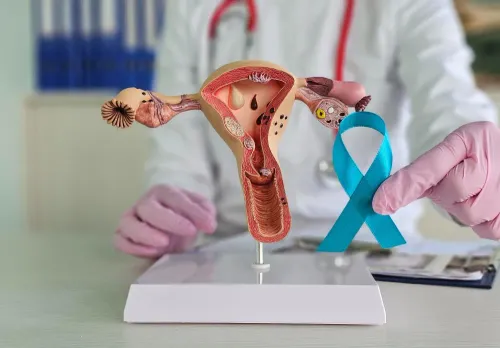
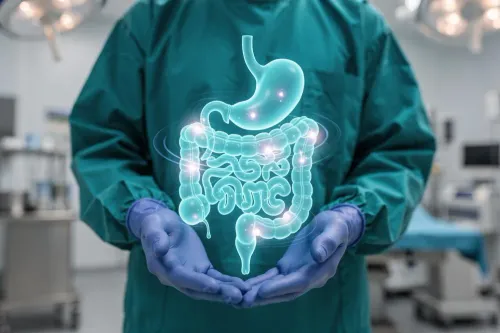
These procedures are commonly used for thoracic cancers, gastrointestinal cancers, kidney cancers, and selected gynecological or abdominal tumors depending on the stage and condition of the patient.
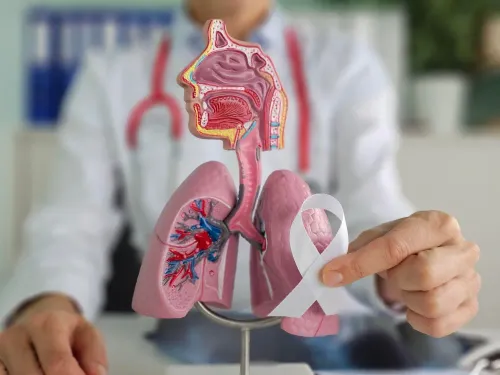
VATS surgery for lung tumors is one of the most discussed advancements in thoracic oncology. Instead of a large chest incision, surgeons operate through small ports using advanced imaging support. This often allows patients to breathe comfortably sooner after surgery and reduces recovery-related complications.
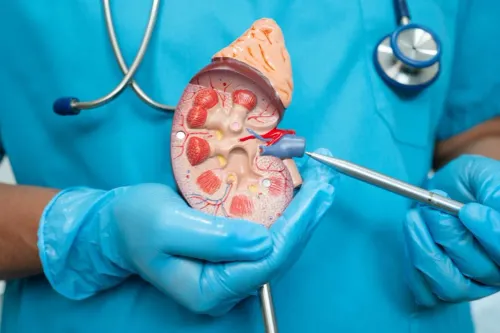
Similarly, laparoscopic surgery for kidney cancer has improved surgical precision while helping preserve surrounding tissues wherever possible. Patients in Maharashtra are increasingly evaluating minimally invasive techniques before making treatment decisions.
Many people searching for the best surgical oncologist in Nagpur are specifically looking for specialists trained in advanced oncology procedures rather than conventional surgery alone. Surgical expertise becomes especially important in complex cancers involving the lungs, esophagus, gastrointestinal tract, or breast tissue.
Dr. Parag Ingle has advanced oncology training from Tata Memorial Hospital, Mumbai, with experience in minimally invasive thoracic and gastrointestinal cancer surgeries. The provider focuses on structured treatment planning and recovery-oriented surgical care based on individual patient needs.
Not every patient is eligible for minimally invasive surgery. Suitability depends on:
- Tumor location
- Cancer stage
- Previous surgeries
- Overall health condition
- Spread of disease
- Imaging findings
This is why proper evaluation and cancer staging are essential before surgery planning. PETCT in Nagpur is often recommended for accurate disease assessment in selected cases.
Patients should also understand that minimally invasive surgery is not only about cosmetic benefits. The larger advantage lies in functional recovery. Earlier movement after surgery can reduce complications such as lung infections, blood clots, and prolonged weakness.
Another growing area is minimally invasive esophageal cancer surgery using VATS-assisted techniques. These procedures require high surgical expertise because of the complexity of chest anatomy and surrounding vital structures.
Families often hesitate while deciding between surgery and other treatment options. In reality, surgery continues to remain one of the most effective treatments for many solid tumors when diagnosed early.
Understanding all available surgical approaches helps patients make balanced decisions instead of relying on fear or misinformation. Discussing recovery expectations, risks, rehabilitation, and long-term outcomes with an experienced cancer surgeon can provide much-needed clarity during treatment planning.
Keywords