
Women diagnosed with breast cancer may assume that removal of the entire breast is always necessary. In selected early-stage cases, breast conservation surgery can remove the tumour while preserving most of the breast. Other patients may receive better local treatment through mastectomy.
Dr. Parag Ingle explains breast conservation surgery to patients in Nagpur after considering the tumour’s size, position, biological features and extent within the breast. The decision should be individualised rather than based on fear or assumptions.
What Is Breast Conservation Surgery?
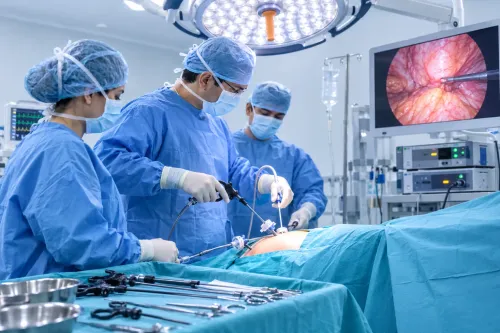
Breast conservation surgery, also called lumpectomy or breast-sparing surgery, removes the tumour with a surrounding margin of normal tissue. The remaining breast is preserved.
The removed tissue is examined to check whether the margins are clear of cancer. If cancer cells are found at or very close to the edge, another procedure may be required to remove additional tissue. In some situations, mastectomy may eventually become necessary.
Radiation therapy is commonly recommended after breast conservation surgery to lower the risk of cancer returning in the breast.
What Does Mastectomy Involve?
Mastectomy removes most or all breast tissue on the affected side. The exact operation depends on the cancer and whether immediate reconstruction is planned.
A mastectomy may be recommended when:
- The tumour is large relative to the breast
- Cancer is present in separate areas of the breast
- Clear margins cannot be achieved through conservation surgery
- The patient cannot safely receive radiation
- The cancer involves extensive breast tissue or skin
- A high-risk genetic change affects treatment decisions
- The patient chooses mastectomy after understanding both options
Mastectomy does not automatically eliminate the need for chemotherapy, hormone treatment or radiation. Additional treatment depends on the final stage and tumour biology.
How the Options Compare
Amount of Breast Tissue Removed
Breast conservation preserves most of the breast, whereas mastectomy removes the breast tissue more extensively.
Radiation Requirements
Radiation is usually part of breast-conserving treatment. Some patients also require radiation after mastectomy, particularly when the tumour is large or lymph nodes are involved.
Recovery
Recovery varies according to the extent of surgery, lymph-node procedure and reconstruction. Lumpectomy generally involves a smaller operation, while mastectomy with reconstruction may require a longer recovery.
Appearance
Breast conservation may still change breast shape, especially when a relatively large volume of tissue is removed. Oncoplastic techniques may help reshape the breast in suitable cases. Mastectomy patients may consider reconstruction, an external prosthesis or remaining flat.
Factors That Influence Eligibility
The decision is based on several considerations:
- Tumour-to-breast size ratio
- Number and location of tumours
- Ability to obtain clear margins
- Previous chest radiation
- Pregnancy status
- Genetic risk
- Availability and suitability of radiation
- Patient preference
Before deciding, patients should ask whether both approaches offer appropriate cancer control in their individual case.
Avoid Decisions Based Only on Anxiety
Some patients believe that a more extensive operation always provides better protection. The amount of tissue removed is only one part of treatment. Lymph-node findings, receptor status and microscopic tumour characteristics can be equally important.
Women exploring breast conservation surgery in Nagpur should receive balanced information about margins, radiation, cosmetic expectations and the possibility of further surgery. An informed choice considers both cancer safety and quality of life without presenting either operation as universally superior.
Keywords