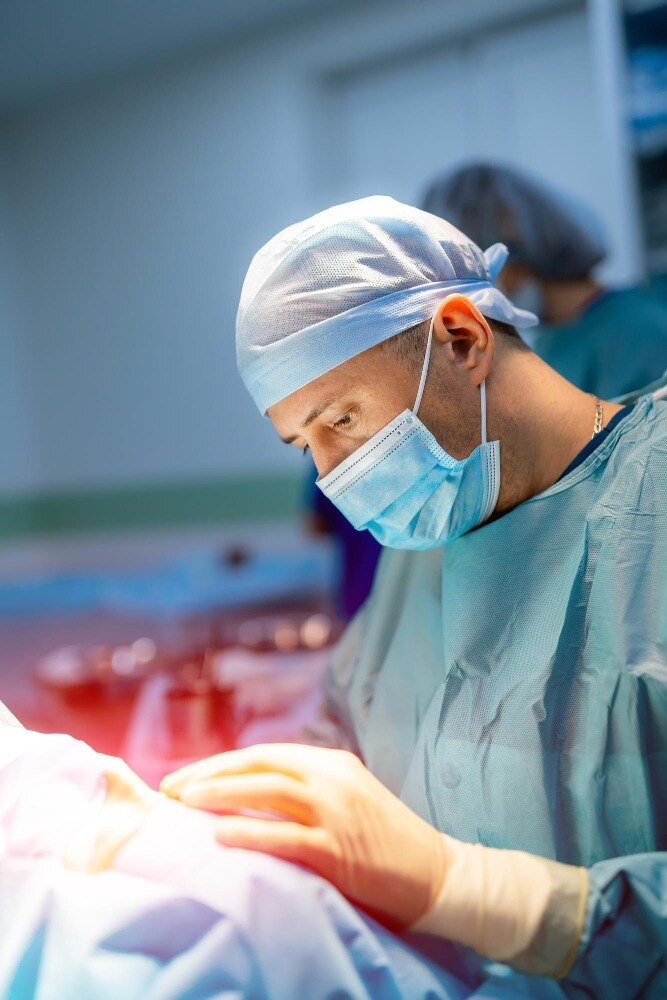
Cancer surgery can mean taking a biopsy, removing a tumour, reducing its size, relieving an obstruction or restoring function—not always eliminating every cancer cell. By the end, you will know how surgical goals and techniques are chosen, what to prepare, what happens around the operation, and which pathology, recovery and follow-up decisions require your attention.
Key takeaways
- Surgery may diagnose, stage, remove, relieve symptoms, or restore function.
- Ask about the operation’s goal, alternatives, risks, recovery time, and pathology plan.
- Bring your medication list and follow fasting, bathing, and arrival instructions exactly.
- Pathology results determine whether you need more treatment or ongoing surveillance.
What Are the Different Types of Cancer Surgery?
Cancer surgery has different goals: diagnose the disease, measure its spread, remove cancer, relieve symptoms, or restore function. That goal determines whether you need further treatment, reconstruction, or long-term surveillance.
- Diagnostic biopsy removes tissue for laboratory testing. Plan the route with the definitive treatment team, especially for suspected bone or soft-tissue sarcoma, because the biopsy tract may need removal with the tumour.
- Staging surgery examines nearby tissues or lymph nodes to determine how far cancer has spread. The findings can change the operation, chemotherapy, radiation, or other treatment.
- Curative resection aims to remove all visible cancer with a margin of healthy tissue. The pathology report checks margins and lymph nodes; close or involved margins can lead to further surgery or radiation.
- Debulking surgery removes as much tumour as possible when complete removal would damage vital organs or cannot be achieved. You may then need chemotherapy, radiation, or targeted treatment.
- Palliative surgery relieves obstruction, bleeding, pain, or pressure. It improves comfort and function rather than curing the cancer.
- Reconstruction restores appearance or function after removal, such as rebuilding a breast, bowel passage, or body-wall defect.
- Preventive risk-reducing surgery removes tissue likely to develop cancer because of inherited risk. Follow-up still matters because it does not eliminate every cancer risk.
How Do Surgeons Decide Whether Surgery Is Suitable?
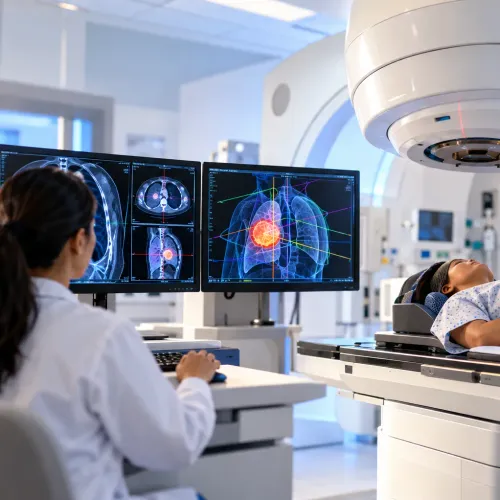
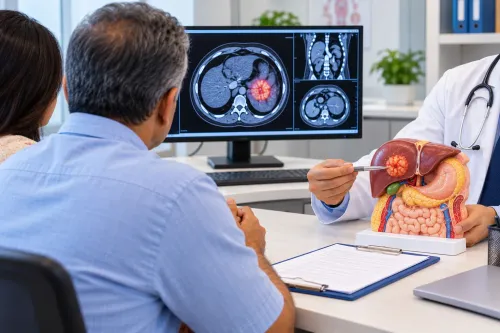
Surgery is suitable when the team can remove the tumour or achieve the planned cancer-control goal without exposing you to unreasonable risk. They assess tumour location and size, cancer stage, spread, resectability, nearby blood vessels and organs, and whether surgery can preserve useful function.
Heart or lung disease, nutrition, mobility, medicines and previous operations also affect anaesthesia and recovery.
A multidisciplinary tumour board may review scans, biopsy results and your overall health. Biopsy findings such as tumour type, grade and biomarkers can support surgery, while extensive spread may make drug treatment more appropriate first. Treatment before surgery can also shrink a tumour or reveal how it responds.
| Approach | Main advantage | When it may be unsuitable |
|---|---|---|
| Open surgery | Direct access and broad control | Tumour position or your health makes a larger operation too risky |
| Laparoscopic or thoracoscopic surgery | Smaller incisions and often less wound pain | The tumour is extensive, difficult to reach, or safe margins cannot be achieved |
| Robotic-assisted surgery | Flexible instruments and magnified vision | Equipment, anatomy or surgeon experience cannot support the intended operation |
| Endoscopic surgery | No external incision for selected internal lesions | The tumour cannot be removed completely through the scope |
Smaller incisions do not automatically mean safer surgery or equivalent cancer control. Ask which technique achieves the required margins and lymph-node plan, preserves organs, and carries the lowest risk for your anatomy and health.
How Should You Prepare and Compare Surgical Options?
Complete the preoperative preparation timeline: confirm the biopsy and pathology report, staging scans, blood tests, anaesthesia assessment, medication instructions and the planned admission date. Ask whether the biopsy route matters; for suspected bone or soft-tissue sarcoma, the biopsy tract may need removal with the tumour.
Discuss fertility preservation before treatment if surgery, chemotherapy or radiation could affect reproductive organs.
Ask the surgeon to compare:
- Cancer-control benefit, margin goal and whether lymph nodes need removal
- Organ preservation, reconstruction and likely effects on body function
- Bleeding, infection, clots, nerve injury, leakage and anaesthesia risks
- Hospital stay, pain, restrictions and expected return to work or daily activities
- Whether neoadjuvant therapy could shrink the tumour or test its treatment response
- Whether adjuvant chemotherapy, radiation, immunotherapy or targeted treatment could follow surgery
| Option | Main benefit | Trade-offs and treatment combinations |
|---|---|---|
| Open surgery | Direct access and removal of complex or large tumours | Larger incision and slower recovery; may still require chemotherapy or radiation |
| Laparoscopic or robotic surgery | Smaller incisions and potentially quicker recovery | Not suitable for every tumour location, size or spread; conversion to open surgery is possible |
| Surgery plus neoadjuvant therapy | May improve resectability before the operation | Delays surgery and adds treatment side effects |
| Surgery alone | Avoids additional treatment when pathology supports it | Removing visible cancer does not eliminate microscopic recurrence risk |
What Happens on the Day of Cancer Surgery?
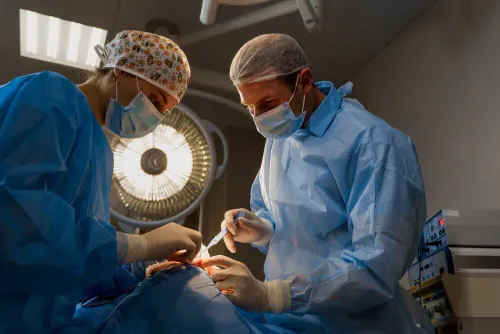
1. At admission, staff verify your identity and planned procedure, review consent, confirm fasting and record vital signs. The anaesthesia assessment checks your health, allergies, medicines and airway, then sets the anaesthetic plan. An intravenous line provides fluids, antibiotics and other medicines.
2. After anaesthesia begins, monitors track breathing, oxygen level, heart rate and blood pressure while the surgeon performs the operation. Surgical drains may be placed to remove blood or fluid and are secured for measurement.
3. Specimen labelling happens in the operating room. The surgeon identifies the tissue’s source and orientation, then sends it in a labelled container to pathology. Lymph-node assessment may use a sentinel lymph-node biopsy, which examines the first draining node or nodes.
Clear sentinel nodes can spare some patients a larger dissection, but suitability depends on cancer type and stage.
4. In recovery, nurses monitor pain, nausea, urine output, wound and drain function. They continue checking the intravenous line and move you to a ward or intensive-care unit when closer observation is needed. Pathology results usually come later, not during these first hours.
What Does Recovery Involve After Cancer Surgery?
Recovery is measured by safe movement, drinking, passing urine, controlling pain, and managing the wound—not by a fixed number of days. An ERAS pathway promotes early mobilisation, breathing exercises, opioid-sparing pain relief, and eating or drinking when safe; it does not guarantee same-day discharge.
Your discharge timing depends on the operation, complications, other illnesses, and home support.
At home, follow the written instructions for wound and drain care. Keep dressings dry as directed, record drain output if requested, and never remove a drain yourself. Follow operation-specific limits on lifting and driving, and ask when bathing, exercise, work, or sex is safe.
Arrange the surgical follow-up, where drain removal, pain, nutrition, function, and pathology results can be reviewed.
Seek urgent assessment for:
- Trouble breathing or chest pain
- Uncontrolled bleeding, rapidly worsening pain, or persistent vomiting that prevents drinking
- High fever, chills, or new confusion
- A painful, swollen leg
- A wound that becomes increasingly red, swollen, separated, or foul-smelling
Recovery varies because the incision, organ affected, amount of tissue removed, and reconstruction differ. An open resection usually creates greater wound demands than minimally invasive surgery, while organ-specific effects can last longer than the incision. Follow your discharge team’s contact numbers and operation-specific thresholds.
How Do Pathology and Follow-Up Change the Next Treatment?
Final pathology decides whether surgery was enough; it can reveal microscopic risk that scans cannot. Ask the team to explain:
- Surgical margins: whether cancer reaches or approaches the cut edge, and whether re-excision or radiation is needed.
- Lymph nodes: how many were examined, how many contain cancer, and the resulting stage.
- Tumour findings: type, grade, depth, lymphovascular invasion and biomarkers guiding chemotherapy, immunotherapy or targeted treatment.
A sentinel lymph-node biopsy examines the first draining node. If it is clear, many patients avoid larger node dissection, but cancer type and stage determine whether that approach is suitable. Adjuvant therapy after surgery can reduce recurrence risk; surgery alone is not automatically complete treatment.
Cancer surgery follow-up should assess healing, function, pain, fatigue, nutrition, sexual or reproductive effects and rehabilitation. Report worsening pain, wound discharge or new swelling; lymphedema can appear months or years after node surgery. Discuss fertility preservation before treatment if fertility could be affected.
Specialist planning or a second opinion helps when margins are close, pathology is complex or recommendations conflict. Dr.Parag Ingle - Surgical Oncologist can review these decisions; bring the pathology report, scans, operative note and treatment history.
Related services
Surgery for cancer We are dedicated to provide advanced and compassionate care. Our skilled and experienced surgical team employs state-of-the-art techniques to remove... View service → |
Follow up for cancer patients Our Follow-up Services for cancer patients are designed to provide ongoing care and support after initial treatment. View service → |
Frequently asked questions
What are the different types of cancer surgery?
Cancer surgery can diagnose disease, measure its spread, remove a tumour, relieve symptoms, or restore function through reconstruction.
How do surgeons decide whether surgery is suitable?
The decision considers the cancer’s type, size, location, spread, your overall health, treatment goals, and alternatives such as radiation or systemic treatment.
How should you prepare for cancer surgery?
Review the procedure and alternatives with your surgical team, disclose every medicine and health condition, follow fasting instructions, and arrange transport and help at home.
How do pathology results affect follow-up care?
The pathology report identifies features such as tumour type, margins, grade, and lymph-node involvement. Your team uses these findings to decide on further treatment and surveillance.