Surgery is a central treatment for many localised colon cancers, but an operation should proceed only after the diagnosis, stage and patient’s medical fitness have been properly assessed. Adequate preparation can reduce avoidable delays and support a safer recovery.
Dr. Parag Ingle plans colon cancer treatment in Nagpur after reviewing colonoscopy findings, biopsy results, staging scans and the patient’s general condition. Surgical readiness involves much more than selecting an operation date.
Diagnosis Must Be Clearly Established
A colonoscopy allows direct examination of the large intestine and enables a biopsy to be collected. The pathology report establishes whether the growth is cancerous.
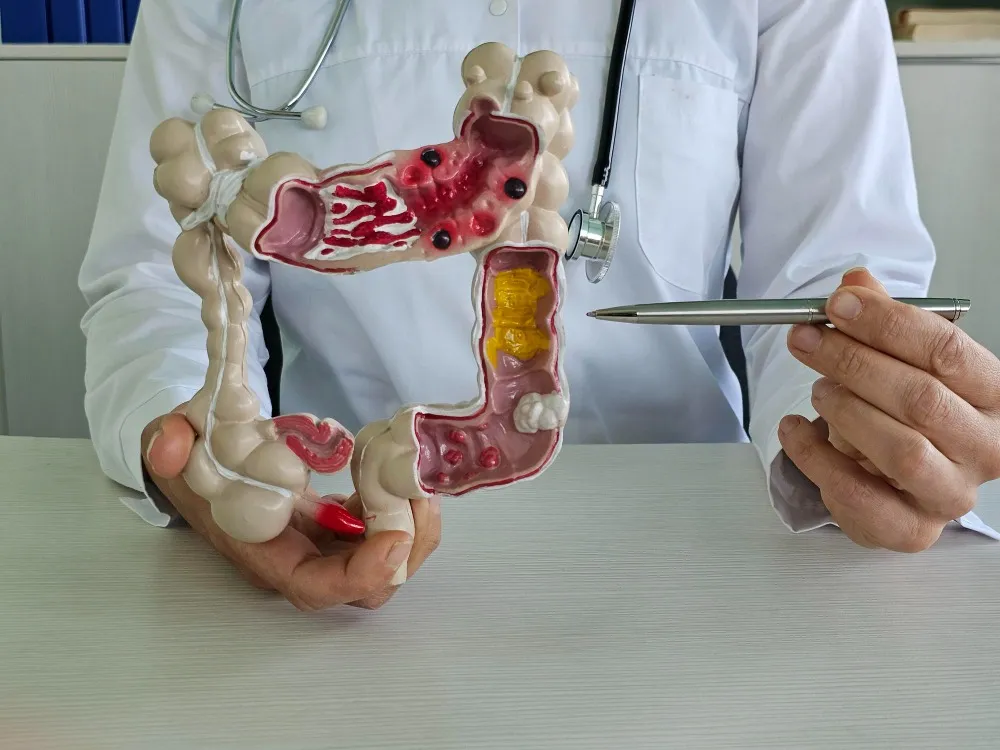
Before surgery, the team must also identify the tumour’s precise location. Operations differ for cancers found in the right colon, transverse colon, left colon or sigmoid colon.
Patients should carry:
- Colonoscopy report
- Biopsy report and slides, if requested
- CT scan report and images
- Blood test results
- Details of previous abdominal operations
- Complete medication list
- Information about existing medical conditions
Staging Should Be Completed
CT imaging of the chest, abdomen and pelvis is commonly used to evaluate whether cancer has reached lymph nodes, the liver, lungs or other areas.
If distant disease is found, surgery may still have a role, but the sequence can change. Some patients may benefit from systemic treatment before an operation. Others may require urgent surgery if the tumour is causing bowel obstruction, perforation or severe bleeding.
Medical Fitness Needs Attention
The ability to tolerate surgery depends on overall health as well as age. Readiness checks may include:
- Heart and lung evaluation
- Anaesthesia assessment
- Kidney and liver function tests
- Blood count
- Diabetes and blood pressure control
- Review of blood-thinning medicines
- Assessment of previous anaesthesia problems
Existing health conditions do not always prevent surgery, but they may require optimisation beforehand.
Anaemia and Nutrition Should Be Addressed
Colon cancer can cause slow internal bleeding and iron-deficiency anaemia. Low haemoglobin may lead to tiredness, breathlessness and delayed recovery.
Unintentional weight loss, poor appetite and low protein levels can also affect wound healing. Nutritional assessment may lead to dietary changes, supplements or correction of deficiencies before surgery.
Understanding the Planned Operation
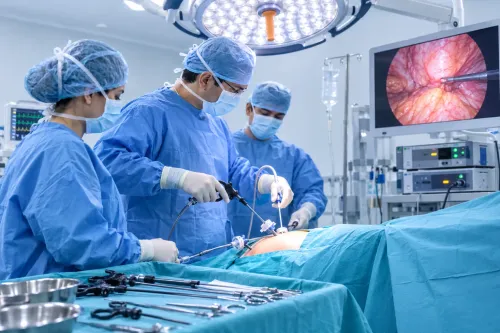
A colon cancer operation generally removes the affected bowel segment, surrounding tissue and regional lymph nodes. The bowel ends are usually reconnected.
Patients should ask:
- Which part of the colon will be removed?
- Will the operation be open or laparoscopic?
- Is a temporary or permanent stoma likely?
- How will lymph nodes be evaluated?
- What complications are possible?
- When can eating and walking resume?
- When will the final pathology report be available?
A stoma is not required in every colon cancer operation. It may be necessary when the bowel cannot be joined safely or when emergency conditions increase the risk of leakage.
Planning After Surgery
The final pathology report provides more detailed staging information. It shows the depth of tumour invasion, lymph-node findings, surgical margins and other features that may influence further treatment.
Some patients require chemotherapy after recovery, while others may enter a surveillance programme involving examinations, blood tests, colonoscopy and imaging.
Patients choosing colon cancer treatment in Nagpur should look for coordinated surgical, pathological and medical oncology support. Readiness is demonstrated when the diagnosis is confirmed, staging is complete, medical risks are controlled and the patient understands the proposed procedure and recovery plan.
Keywords