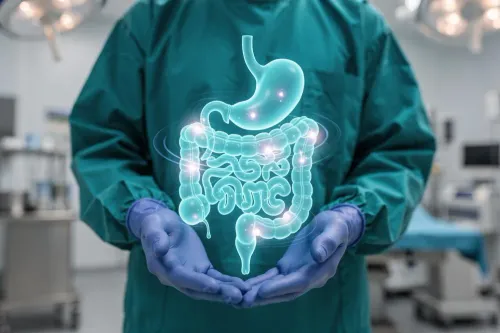

Gastrointestinal cancers can affect the esophagus, stomach, pancreas, liver, colon, rectum, and related digestive organs. One of the biggest concerns with these cancers is that the symptoms are often vague during the early stages. Many patients in Nagpur initially assume the problem is simple acidity, indigestion, or dietary discomfort.
Unfortunately, persistent digestive symptoms should not always be ignored.
Several gastrointestinal cancers develop gradually and may not cause severe pain in the beginning. Patients often continue self-medication for months before consulting a specialist.
Some commonly overlooked symptoms include:
- Persistent acidity
- Difficulty swallowing
- Unexplained weight loss
- Blood in stool
- Continuous bloating
- Loss of appetite
- Persistent abdominal pain
- Fatigue and weakness
- Changes in bowel habits
Not every digestive complaint indicates cancer, but symptoms that continue for weeks deserve proper medical evaluation.
People with smoking habits, alcohol use, obesity, poor dietary patterns, or family history may have increased risk for gastrointestinal cancers. In Maharashtra, awareness regarding GI cancers is gradually improving, especially in urban healthcare centers.
One important challenge is that many patients seek treatment only after symptoms interfere with eating or daily functioning. Early diagnosis can improve surgical outcomes significantly.
Advanced imaging, endoscopy, biopsy, and PETCT in Nagpur are commonly used for diagnosis and staging. Accurate staging helps determine whether surgery, chemotherapy, radiotherapy, or combined treatment is required.
Many patients searching for the best cancer specialist in Nagpur specifically look for experience in gastrointestinal oncology because GI surgeries can be highly complex.
Dr. Parag Ingle has experience managing upper gastrointestinal cancers, thoracic cancers, breast cancer, and oral oncology with a focus on personalized treatment planning and structured surgical care.
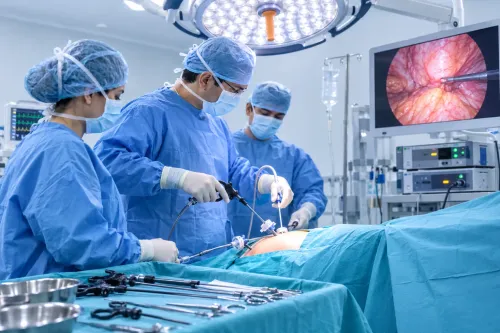
Minimally invasive procedures are also becoming more common for selected GI cancers. Laparoscopic surgery may help reduce postoperative discomfort and improve recovery timelines for suitable patients.
Families should also understand that nutritional management becomes extremely important during GI cancer treatment. Difficulty eating, swallowing problems, and treatment-related weakness can affect overall recovery.
Some practical steps that should never be delayed include:
- Consulting a specialist for persistent digestive symptoms
- Avoiding long-term self-medication without diagnosis
- Undergoing recommended scans or endoscopy
- Seeking second opinions when necessary
- Following structured follow-up after treatment
Another growing concern is younger patients developing gastrointestinal cancers. Lifestyle changes, processed food habits, smoking exposure, and stress-related health neglect may contribute to increasing risk factors.
Cancer awareness campaigns in Nagpur have encouraged more patients to seek earlier diagnosis instead of waiting for severe symptoms. This shift is especially important because many GI cancers become more manageable when detected before widespread progression.
Persistent digestive symptoms should never be normalized for months. Timely evaluation by an experienced oncology team can help identify serious conditions earlier and improve the chances of effective treatment and recovery.
Keywords