
Cancer care works best when diagnosis, treatment planning, surgery, recovery, and follow-up are connected properly. Many patients face difficulty because they consult different providers at different stages without a clear treatment roadmap. Comprehensive cancer care in Nagpur helps reduce this confusion by bringing evaluation and planning into a more structured process.
Comprehensive care begins with accurate diagnosis. This may include biopsy, imaging, PETCT, blood tests, endoscopy, or other investigations depending on the suspected cancer type.
Once the diagnosis is confirmed, staging becomes the next important step. Staging helps determine whether the cancer is localized, regionally spread, or advanced. Without proper staging, treatment planning can become incomplete.
A complete cancer care plan may include:
- Surgical oncology evaluation
- Medical oncology consultation
- Radiotherapy planning
- PETCT or advanced imaging
- Nutrition support
- Pain management
- Rehabilitation guidance
- Follow-up monitoring
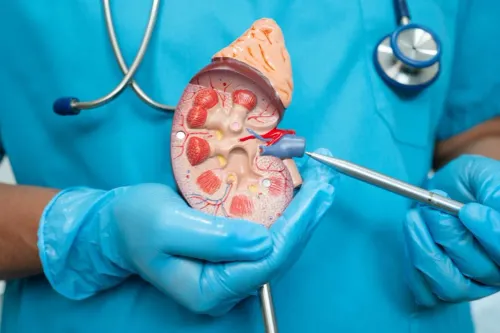
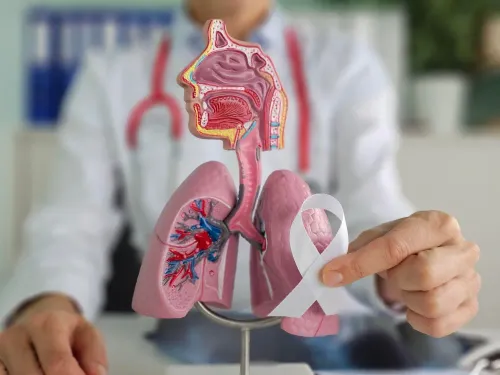
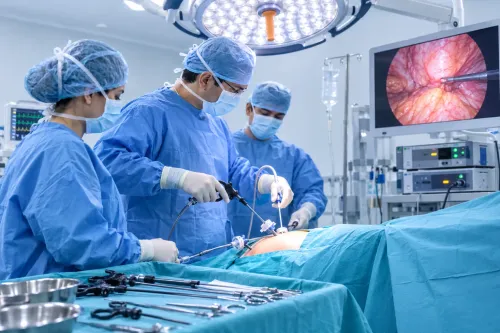
Patients in Nagpur and Maharashtra increasingly prefer personalized cancer treatment because every case behaves differently. A breast cancer patient may need breast conservation surgery, while a lung cancer patient may benefit from VATS. A kidney cancer patient may be considered for laparoscopic surgery, while an oral cancer patient may need careful reconstruction and recovery planning.
Dr. Parag Ingle provides cancer care focused on surgical oncology, minimally invasive cancer surgery, and multidisciplinary treatment planning. His experience includes thoracic, gastrointestinal, breast, oral, and genitourinary cancers.
The benefit of comprehensive care is clarity. Patients understand what comes first, what comes next, and why each step is being recommended.
For example, some patients may need surgery immediately. Others may require chemotherapy or radiotherapy before surgery. Some may need immunotherapy depending on cancer biology and disease stage.
Families should also consider recovery support as part of treatment, not an afterthought. After major cancer surgery, patients may need breathing exercises, wound care, diet changes, speech support, mobility assistance, or emotional support.
Important readiness indicators before starting treatment include:
- Confirmed diagnosis
- Proper staging
- Clear treatment sequence
- Fitness evaluation
- Recovery planning
- Follow-up schedule
Cancer treatment can feel less overwhelming when patients receive clear explanations and coordinated support. Comprehensive cancer care gives patients and families a better way to understand the disease, compare options, and prepare for recovery with confidence.
Keywords