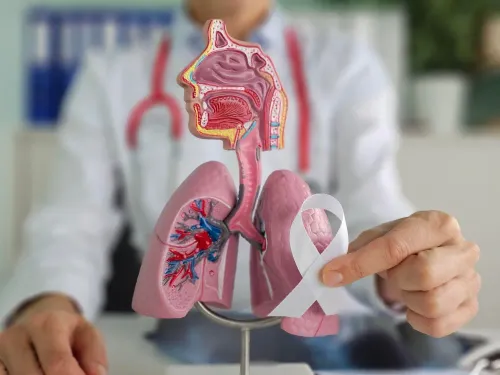

Oral cancer often develops silently. Many people in Nagpur and across Maharashtra mistake the early symptoms for common mouth ulcers, dental irritation, or throat infections. Delayed diagnosis is one of the biggest reasons oral cancer becomes difficult to treat later. Recognizing the warning signs early can make a major difference in treatment success and recovery outcomes.
One of the most common early symptoms is a mouth ulcer that does not heal within two to three weeks. Persistent white or red patches inside the mouth, unexplained bleeding, difficulty swallowing, jaw stiffness, or a lump in the neck should also never be ignored. In many cases, patients first notice discomfort while eating spicy food or brushing their teeth.
Tobacco use remains one of the leading risk factors for oral cancer in India. Smoking, chewing tobacco, gutkha, alcohol consumption, and poor oral hygiene significantly increase the risk. However, oral cancer can also develop in people without these habits, which is why regular screening matters.
Patients often ask when they should consult an oral cancer specialist in Nagpur. Some important situations include:
- Persistent mouth sores
- Difficulty moving the tongue
- Continuous throat pain
- Sudden voice changes
- Loose teeth without dental causes
- Difficulty chewing or swallowing
- Swelling inside the mouth
Early-stage oral cancers are generally easier to manage and may require less extensive surgery. Timely intervention can also improve speech preservation, swallowing function, and cosmetic outcomes after treatment.
Many cancer specialists now focus on multidisciplinary care that combines surgical oncology, radiotherapy, imaging, pathology, and recovery support. This coordinated approach helps patients receive structured treatment planning rather than fragmented care.
Dr. Parag Ingle, known among many patients searching for the best cancer specialist in Nagpur, has experience in oral cancer surgery along with gastrointestinal, thoracic, and breast oncology. The provider’s approach emphasizes early diagnosis, personalized planning, and recovery-focused cancer care.
Patients in Maharashtra are also becoming more aware of cancer prevention services and regular oral examinations, especially individuals with tobacco exposure. Early screening camps and awareness initiatives have improved diagnosis rates in several urban regions including Nagpur.
Another important factor many families overlook is the value of a second opinion for cancer. Confirming the diagnosis, understanding staging, and evaluating surgical options can help patients make informed decisions without panic.
Treatment for oral cancer depends on multiple factors:
- Tumor size
- Location inside the mouth
- Lymph node involvement
- Stage of cancer
- Patient health condition
Some patients may require surgery alone, while others may need radiotherapy or combined treatments. Recovery planning, nutrition support, and speech rehabilitation also play important roles after surgery.
Awareness remains the strongest defense against advanced oral cancer. Even small symptoms that persist should not be ignored. Consulting an experienced oral cancer specialist early can improve both treatment outcomes and quality of life significantly.
Keywords