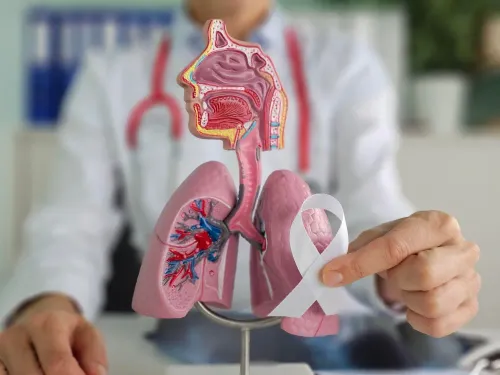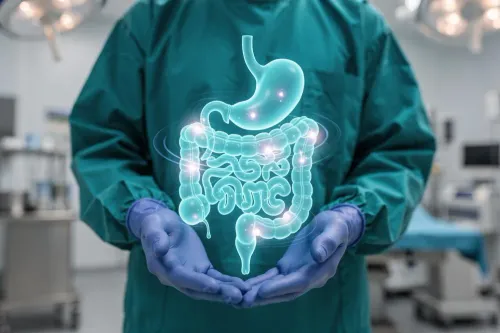
Esophagus cancer affects the food pipe that carries food from the throat to the stomach. Difficulty swallowing is one of its most common symptoms. Patients may initially notice trouble with solid food, followed later by difficulty swallowing softer food or liquids. Unexplained weight loss, chest discomfort, regurgitation or persistent indigestion may also occur.
Dr. Parag Ingle assesses patients requiring esophagus cancer treatment in Nagpur after reviewing endoscopy, biopsy and staging investigations. Because treatment can involve several specialties, provider selection should focus on team coordination as well as individual experience.
Confirming the Diagnosis and Stage
An upper gastrointestinal endoscopy allows the doctor to examine the esophagus and collect tissue from the abnormal area. The biopsy confirms whether cancer is present and identifies its type.
Additional investigations may include:
- Contrast-enhanced CT
- PET-CT in selected cases
- Endoscopic ultrasound
- Bronchoscopy for certain upper or middle esophageal tumours
- Blood tests and nutritional assessment
- Heart and lung fitness tests before surgery
Staging determines whether the cancer is limited to the esophagus, involves nearby lymph nodes or has spread to distant organs.
Why a Multidisciplinary Team Matters
Esophagus cancer treatment may involve:
- Surgical oncology
- Medical oncology
- Radiation oncology
- Gastroenterology
- Radiology and pathology
- Anaesthesia and critical care
- Clinical nutrition
- Physiotherapy and rehabilitation
Some patients require chemotherapy and radiation before surgery. Others may receive definitive chemoradiation without an operation. The treatment sequence depends on the tumour’s location, type, stage and the patient’s ability to tolerate major therapy.
Evaluating Surgical Readiness
Esophagectomy is an extensive operation in which part or most of the esophagus is removed. The stomach is commonly reshaped and brought upward to restore continuity of the digestive tract.
Before surgery, the team should evaluate:
- Whether the tumour is removable
- Whether there is distant spread
- Heart and lung function
- Nutritional status
- Weight loss and muscle strength
- Existing medical conditions
- Response to preoperative treatment
Patients with significant weight loss may need nutritional support before treatment. Improving nutrition can assist healing and help the patient tolerate chemotherapy, radiation or surgery.
Open and Minimally Invasive Approaches
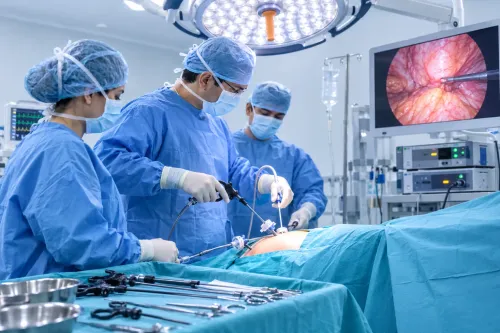
Esophagus surgery may be performed through open incisions or through minimally invasive techniques using laparoscopy and thoracoscopy. Video-assisted thoracoscopic surgery may be used for the chest portion of the operation in selected patients.
Minimally invasive surgery can offer smaller incisions and potentially faster recovery, but it is not suitable for every tumour. The priority is complete cancer removal with appropriate lymph-node assessment.
Questions to Ask the Provider
Patients should ask:
- What is the exact location and stage of the tumour?
- Is treatment required before surgery?
- Is the proposed operation open or minimally invasive?
- How will eating and nutrition be managed?
- What are the major risks of surgery?
- Will intensive-care monitoring be required?
- How long is the expected hospital stay?
- What follow-up treatment may be necessary?
Local Follow-Up Requirements
Recovery continues after hospital discharge. Patients may need dietary adjustments, smaller and more frequent meals, breathing exercises, wound care and monitoring for swallowing difficulties.
When selecting esophagus cancer treatment in Nagpur, look for a provider who explains the entire pathway rather than only the operation. The plan should address preoperative treatment, surgical readiness, nutritional support, recovery and long-term surveillance.
Keywords