
Cancers affecting the digestive system can arise in several different organs, including the stomach, colon, rectum, pancreas, liver, and other parts of the gastrointestinal tract. Although these conditions are often grouped together, their treatment can differ considerably.
Gastrointestinal Cancer Surgery therefore requires careful evaluation of where the tumor started, how far it has progressed, and whether nearby organs or lymph nodes are involved.
Which Cancers May Require Gastrointestinal Surgery?
Surgical oncology may form part of treatment for cancers involving areas such as:
- Stomach
- Colon
- Rectum
- Small intestine
- Pancreas
- Liver
- Gallbladder
- Bile ducts
- Gastrointestinal stromal tumors
Not every patient with one of these cancers will require the same procedure. Even two people with cancer in the same organ can have different treatment plans because tumor stage, location, biology, and overall health may differ.
How Is Operability Evaluated?
Before Gastrointestinal Cancer Surgery, doctors generally need a confirmed diagnosis and accurate staging.
Investigations may include endoscopy, biopsy, blood tests, CT scans, MRI, PET-CT, or specialized imaging depending on the suspected cancer.
These tests help answer important questions. Is the disease confined to its original location? Are regional lymph nodes involved? Has it spread to distant organs? Is the tumor touching or invading an important blood vessel or nearby structure?
The answers help determine whether surgery is appropriate and whether another treatment should come first.
Different Organs Require Different Operations
There is no universal gastrointestinal cancer operation.
Colon cancer surgery, for example, may involve removing the affected section of bowel together with associated lymph nodes. Rectal cancer can require particularly detailed planning because preserving bowel, urinary, and sexual function may be important considerations.
Stomach cancer surgery may require removal of part or most of the stomach depending on tumor location and extent.
Pancreatic and hepatobiliary cancers can involve more complex procedures because of the anatomy surrounding the pancreas, liver, bile ducts, and major blood vessels.
Can Minimally Invasive Surgery Be Used?
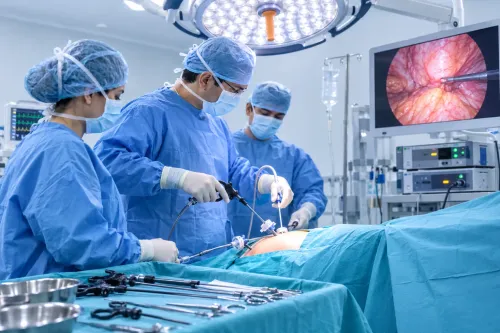
Laparoscopic or robotic approaches may be considered for selected gastrointestinal cancers.
The decision depends on several factors, including tumor location, disease extent, previous abdominal operations, the required reconstruction, and the surgeon's assessment.
Smaller incisions can support postoperative recovery in appropriate cases, but the fundamental objective remains adequate cancer surgery. A minimally invasive technique should not compromise the oncological requirements of the operation.
Nutrition Deserves Attention
Digestive system surgery can affect appetite, digestion, bowel habits, and nutritional intake. Nutritional assessment may therefore be important before and after an operation.
Some patients benefit from temporary dietary modifications, smaller meals, protein-rich nutrition, or specialist nutritional guidance. The recommendations depend on which organ has been treated.
Questions Worth Asking Before Surgery
Patients can ask their surgical oncologist:
- What exactly will be removed?
- Will lymph nodes also be removed?
- Could another treatment be needed before surgery?
- Is minimally invasive surgery suitable?
- Could bowel function or digestion change?
- How long might hospitalization last?
- What will the pathology report determine?
Patients seeking Gastrointestinal Cancer Surgery in Nagpur can discuss these considerations during consultation with Dr. Parag Ingle, particularly when they need clarity about the surgical role within a broader oncology plan.
Cancer surgery involving the digestive system is highly diagnosis-specific. Understanding the organ involved, cancer stage, surgical objective, and likely recovery provides a more useful basis for treatment decisions than focusing on the operation alone.
Keywords