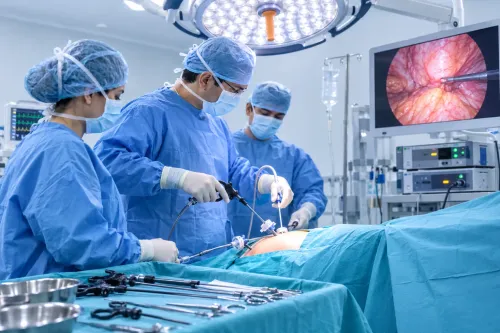
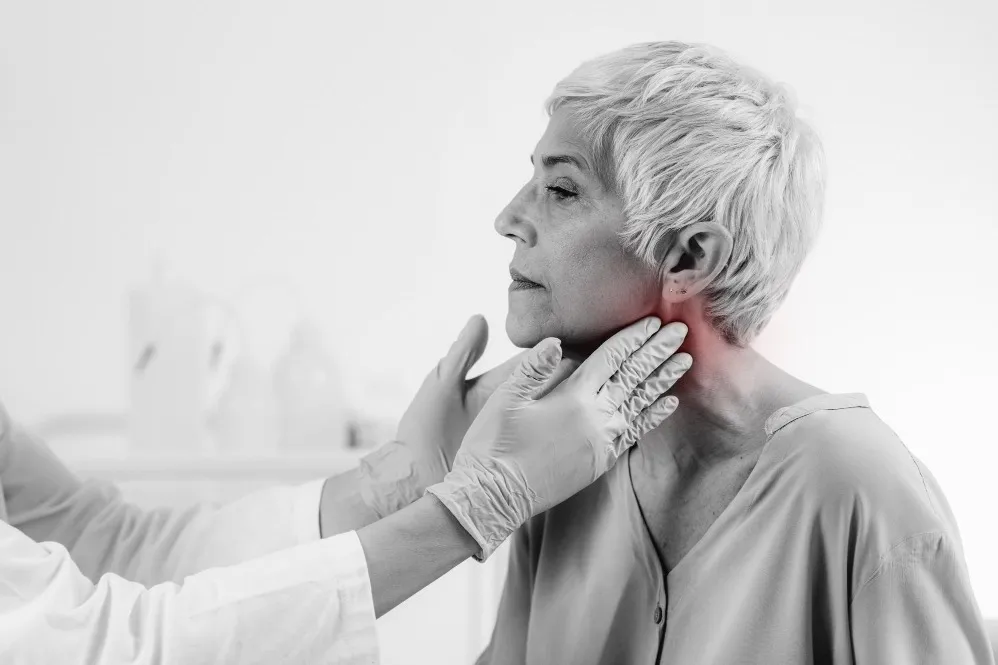
Head and neck cancers can affect areas involved in speaking, swallowing, breathing, eating, facial appearance, and social interaction. Surgical treatment therefore requires more than removing a tumor. The plan must consider cancer control together with the functions that can reasonably be preserved.
This makes Head and Neck Cancer Surgery a particularly individualized area of surgical oncology.
Which Areas Can Be Affected?
Head and neck cancers may develop in the:
- Oral cavity
- Tongue
- Throat
- Voice box
- Salivary glands
- Jaw region
- Other nearby tissues
Symptoms differ according to the affected area. Persistent mouth ulcers, unexplained neck lumps, difficulty swallowing, voice changes, bleeding, or lesions that do not heal deserve medical assessment.
These symptoms do not always indicate cancer, but persistent abnormalities should not be ignored.
Diagnosis Comes Before Surgical Decisions
A biopsy is generally required to confirm cancer. Imaging then helps evaluate the tumor's size, depth, relationship with nearby structures, and possible lymph node involvement.
Doctors may also evaluate nutrition, dental health, swallowing, speech, and general fitness depending on the planned treatment.
This information helps determine whether Head and Neck Cancer Surgery, radiation therapy, systemic treatment, or a combination is appropriate.
Why Function Preservation Matters
Removing more tissue is not automatically better cancer surgery.
Modern surgical planning seeks adequate cancer removal while preserving healthy structures whenever this can be done safely. Depending on the tumor, surgeons may consider how treatment could affect speech, swallowing, chewing, shoulder movement, facial form, or airway function.
This balance is sometimes described as organ or function preservation.
Preservation, however, must be oncologically appropriate. Leaving tumor behind simply to preserve function would defeat the primary purpose of cancer surgery.
Reconstruction Can Be Part of Treatment
When removal of a tumor creates a significant tissue defect, reconstruction may be required.
Reconstruction can help restore structural integrity and support functions such as swallowing or speech. The technique varies according to the size and location of the surgical defect.
Rehabilitation may subsequently involve speech therapy, swallowing therapy, nutritional guidance, dental rehabilitation, or physiotherapy.
Neck Lymph Nodes May Need Assessment
Many head and neck cancers can spread to lymph nodes in the neck.
Depending on the primary cancer and stage, lymph node treatment may be incorporated into surgery. This does not mean every patient requires the same neck procedure. Imaging, clinical examination, tumor characteristics, and established treatment protocols influence the decision.
Tobacco Exposure Remains Relevant
Tobacco in smoked or smokeless forms is associated with several cancers of the oral cavity and head-neck region. Alcohol can also contribute to risk for certain cancers.
Stopping tobacco use remains important even after diagnosis because continued exposure can affect general health, recovery, and the risk of additional disease.
Patients considering Head and Neck Cancer Surgery in Nagpur can consult Dr. Parag Ingle for surgical oncology assessment based on pathology, imaging, cancer stage, and functional considerations.
For families across Nagpur and Maharashtra seeking clarity after a head or neck cancer diagnosis, a useful consultation should explain both sides of the surgical decision: what must be removed for appropriate cancer treatment and what can potentially be preserved to support quality of life.
Keywords