
Choosing a cancer specialist is one of the most important healthcare decisions a patient and family will make. Cancer treatment often involves surgery, imaging, pathology, chemotherapy, radiotherapy, recovery planning, and long-term follow-up. Because of this complexity, selecting the right surgical oncologist in Nagpur requires more than simply searching online for ratings or advertisements.
Patients usually begin by looking for experience, specialization, and hospital association. While those factors matter, there are several other practical considerations that should influence decision-making.
A good surgical oncologist should be able to explain:
- The exact diagnosis
- Cancer stage
- Treatment options
- Risks and expected outcomes
- Recovery timelines
- Whether surgery is necessary immediately
- Possible alternatives or combined therapies
Patients should never feel rushed into major decisions without understanding their condition clearly.
One major factor people often overlook is specialization within oncology. Cancer surgery is highly specialized, and expertise in thoracic oncology, gastrointestinal cancers, breast cancer surgery, or oral oncology can significantly influence surgical planning and outcomes.
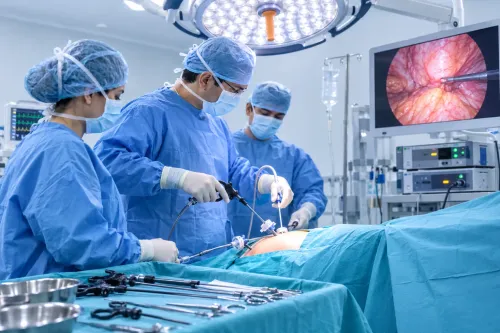
For example, advanced procedures such as Video Assisted Thoracoscopic Surgery (VATS) for lung tumors require dedicated thoracic oncology experience. Similarly, breast conservation surgery demands both oncological precision and cosmetic planning.
Many families searching for the best cancer surgeon in Nagpur also look for doctors with structured oncology training from reputed cancer institutions. Specialized oncology exposure helps surgeons manage complex cases with multidisciplinary coordination.
Dr. Parag Ingle has advanced oncology training from Tata Memorial Hospital, Mumbai, with experience in thoracic, gastrointestinal, oral, and breast cancers. The provider’s approach focuses on personalized treatment planning and minimally invasive surgical techniques wherever appropriate.
Another important consideration is communication. Cancer treatment can feel overwhelming, especially during the early diagnosis phase. Patients often need time to process information, discuss concerns with family members, and seek second opinions.
A reliable cancer specialist should encourage informed decision-making rather than creating unnecessary pressure.
Before selecting a provider, patients should ask practical questions such as:
- What type of cancer surgeries are commonly performed?
- Is minimally invasive surgery an option?
- Will other specialists be involved in treatment?
- What are the expected recovery timelines?
- Are rehabilitation and follow-up services available?
- How is pain management handled after surgery?
Patients in Maharashtra are increasingly preferring multidisciplinary cancer care because coordinated treatment often improves overall planning and continuity.
Another growing factor is access to advanced diagnostics like PETCT in Nagpur. Accurate staging helps avoid incomplete treatment planning and unnecessary delays.
Families should also evaluate how treatment decisions are individualized. Not every cancer patient requires the same surgical approach. Age, medical history, disease stage, nutritional status, and lifestyle factors all influence treatment recommendations.
Choosing the right oncologist is not only about credentials. It is about trust, communication, surgical expertise, and structured care throughout diagnosis, treatment, and recovery.
Cancer care works best when patients feel informed, supported, and actively involved in the treatment process rather than confused by medical uncertainty.
Keywords