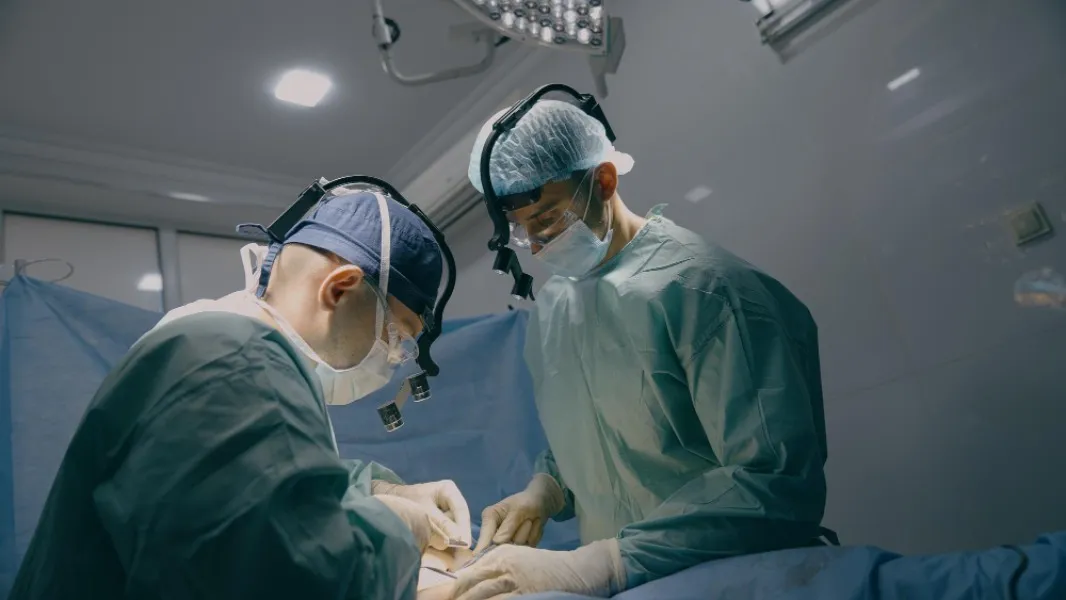
Choosing the best cancer surgeon in Nagpur becomes especially important when the cancer involves complex organs such as the lungs, esophagus, stomach, colon, oral cavity, breast, or kidney. These surgeries require more than general surgical skill. They need cancer-focused decision-making, staging knowledge, and an understanding of long-term recovery.
A cancer surgeon’s role is not only to remove the tumor. The goal is to remove cancer safely while preserving function wherever possible. This matters in oral cancer, breast cancer, thoracic cancer, and gastrointestinal cancer treatment.
Patients should look for a surgeon who can explain:
- Whether surgery is truly needed
- Whether the cancer is operable
- What surgical method is suitable
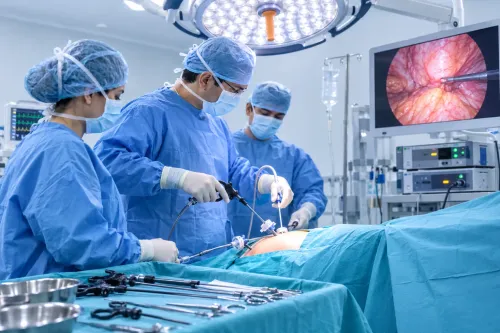
- Whether minimally invasive surgery can help
- What risks are involved
- What recovery may look like
- Whether additional treatment is required
For complex cases, multidisciplinary care is very important. A surgical oncologist may work with medical oncologists, radiation specialists, radiologists, pathologists, and rehabilitation teams to create a complete treatment plan.
Dr. Parag Ingle is known for experience in surgical oncology, with advanced training from Tata Memorial Hospital, Mumbai. His areas of focus include thoracic oncology, gastrointestinal cancers, breast cancer surgery, oral cancer surgery, and genitourinary cancer procedures.
Patients in Nagpur and nearby parts of Maharashtra often prefer a provider who can evaluate both conventional and advanced surgical options. These may include:
- Breast conservation surgery
- VATS for lung tumors
- VATS for esophageal cancer
- Laparoscopic surgery for kidney cancer
- Oral cancer surgery
- Upper GI cancer surgery
Another important sign of a reliable cancer surgeon is clear communication. Patients should be able to understand the treatment sequence, expected hospital stay, pain control plan, and follow-up schedule.
Experience also matters in handling complications and planning recovery. Cancer surgery can affect eating, breathing, speech, movement, or body image depending on the disease site.
Before finalizing treatment, families should organize reports and ask for a clear explanation of diagnosis, stage, and available options. A well-planned discussion can prevent confusion later.
The right cancer surgeon provides technical expertise, honest guidance, and structured care from diagnosis to recovery. For complex cancer cases, that combination can make the treatment journey more confident and better coordinated.
Keywords