
Lung cancer surgery has advanced significantly with the introduction of Video Assisted Thoracoscopic Surgery, commonly known as VATS. For selected patients, VATS can help remove lung tumors through smaller incisions instead of a large open chest surgery.
Many people searching for lung cancer treatment in Nagpur want to know whether minimally invasive surgery is possible. The answer depends on cancer stage, tumor size, location, lung function, and overall patient fitness.
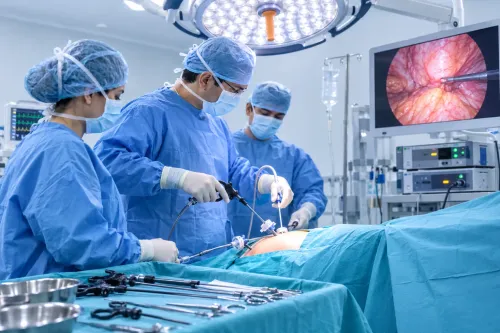
VATS uses a small camera and specialized surgical instruments inserted through small cuts in the chest. This allows the surgeon to view the lungs clearly and operate with precision.
Potential benefits of VATS include:
- Smaller incisions
- Less postoperative pain
- Shorter hospital stay in suitable cases
- Faster breathing recovery
- Reduced wound-related discomfort
- Earlier return to routine activity
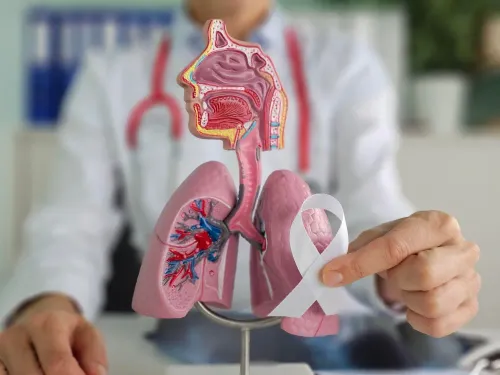
For lung tumors detected at an operable stage, surgery may remain a key part of treatment. In some cases, chemotherapy, radiotherapy, or immunotherapy may also be recommended depending on pathology and staging.
VATS is also used in selected thoracic conditions beyond lung tumors, including certain esophageal cancer procedures. However, it requires advanced surgical training and careful patient selection.
Dr. Parag Ingle has experience in thoracic oncology and minimally invasive cancer surgeries, including Video Assisted Thoracoscopic Surgery for lung tumors. Patients in Nagpur looking for advanced cancer surgery often evaluate such expertise before deciding on treatment.
Before VATS is considered, patients may need:
- CT scan or PETCT
- Biopsy confirmation
- Lung function testing
- Cardiac fitness evaluation
- Detailed surgical assessment
Not all lung cancer patients are candidates for surgery. If the cancer has spread extensively, other treatments may be prioritized first. That is why staging is one of the most important steps before planning treatment.
Recovery after VATS still requires proper care. Patients may need breathing exercises, pain control, walking support, nutrition management, and follow-up visits.
In Maharashtra, awareness about minimally invasive thoracic surgery is growing, especially among patients who want effective treatment with better recovery comfort.
VATS does not reduce the seriousness of cancer treatment, but it can make surgery less physically demanding for eligible patients. The best results come when diagnosis, staging, surgery, and follow-up care are planned in a coordinated manner.
Keywords