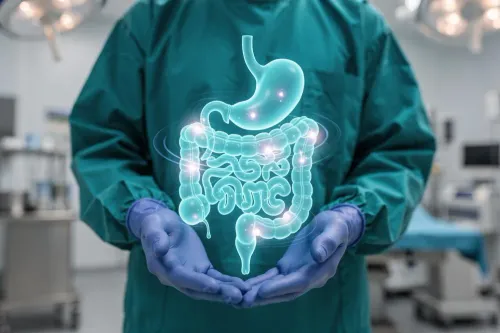
Rectal cancer treatment requires careful planning because the rectum lies deep within the pelvis, close to the bladder, reproductive organs, pelvic nerves and anal sphincter. The tumour’s exact height, stage and relationship with these structures can change the treatment sequence and type of surgery required.
Dr. Parag Ingle evaluates patients seeking rectal cancer treatment in Nagpur using colonoscopy, biopsy and detailed staging scans. Before selecting a treatment provider, patients should make sure the proposed plan addresses both cancer control and preservation of bowel function where medically possible.
Has the Tumour Been Properly Staged?
A rectal cancer evaluation commonly includes:
- Colonoscopy with biopsy
- MRI of the pelvis
- CT scan of the chest and abdomen
- Blood tests
- Carcinoembryonic antigen test
- Physical or rectal examination
- Additional investigations when indicated
Pelvic MRI is particularly useful because it shows the tumour’s depth, nearby lymph nodes and relationship with the tissue surrounding the rectum.
Ask the provider to explain the stage in understandable terms rather than giving only a number.
Is Treatment Needed Before Surgery?
Some early rectal cancers may be treated with surgery first. Locally advanced tumours may require chemotherapy, radiation or a combination before an operation.
Preoperative treatment can help:
- Shrink the tumour
- Treat nearby microscopic disease
- Improve the possibility of complete removal
- Increase the chance of sphincter preservation in selected cases
- Reduce the risk of cancer returning in the pelvis
The provider should explain why preoperative treatment is or is not appropriate.
Can the Anal Sphincter Be Preserved?
Sphincter-preserving surgery may be possible when the tumour can be removed safely while leaving enough healthy rectum and functional sphincter muscle.
Whether preservation is feasible depends on:
- Distance between the tumour and anus
- Tumour size and stage
- Response to preoperative treatment
- Involvement of the sphincter
- Pelvic anatomy
- Ability to obtain clear margins
- Expected bowel function after surgery
Preservation should never compromise complete cancer removal. Patients should also understand that keeping the sphincter does not always mean bowel habits will remain unchanged.
Will a Stoma Be Required?
A temporary ileostomy may be created to protect a low bowel connection while it heals. If recovery is satisfactory, it may be reversed later.
A permanent colostomy may be necessary when the anus and sphincter must be removed. The possibility should be discussed openly before surgery so that patients and families can prepare practically and emotionally.
How Experienced Is the Care Team?
Ask the provider:
- How frequently do you manage rectal cancer?
- Is the case reviewed with medical and radiation oncologists?
- What operation is being proposed?
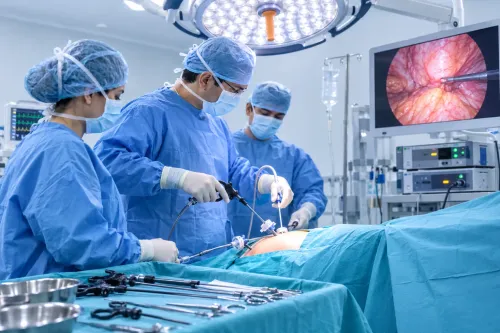
- Will minimally invasive surgery be considered?
- How will nerves controlling bladder and sexual function be protected?
- What complications should I understand?
- What bowel changes can occur after treatment?
- How will follow-up be organised?
Clear answers help patients assess whether the team understands the complexity of rectal cancer care.
What Happens After Treatment?
The final surgical pathology helps determine whether additional chemotherapy is needed. Follow-up may include physical examinations, tumour-marker tests, colonoscopy and periodic imaging.
Patients may also require dietary guidance, stoma support, pelvic-floor rehabilitation or help managing frequent bowel movements after sphincter-preserving surgery.
Choosing a rectal cancer treatment provider in Nagpur should be based on staging accuracy, multidisciplinary coordination, surgical experience and transparent communication. A dependable treatment plan explains not only how the tumour will be treated but also how bowel function, recovery and long-term surveillance will be managed.
Keywords