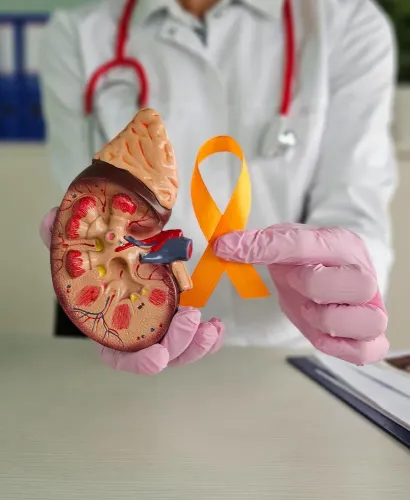

Bloating, pelvic discomfort, urinary changes, and altered appetite often have harmless explanations, but a new pattern that persists or worsens deserves attention. You will learn which symptoms to track, how they differ from common digestive or gynaecological problems, when to seek urgent care, and what diagnostic assessment involves.
Key takeaways
- Track new bloating, pelvic pain, urinary changes, or early fullness.
- Seek evaluation when symptoms persist, recur frequently, or worsen over several weeks.
- Get urgent care for severe pain, repeated vomiting, fainting, or heavy bleeding.
- Discuss genetic risk and symptoms with a gynaecologist or cancer specialist.
Which Subtle Symptoms Should You Watch For?
Subtle ovarian cancer symptoms can resemble indigestion, a bladder problem, or normal hormonal changes. Pay attention when a symptom is new, occurs more often than usual, lasts for several weeks, or steadily worsens rather than settling after a meal or menstrual cycle.
Watch for:
- Persistent bloating or increased abdominal size
- Pelvic pain or abdominal pain
- Feeling full quickly, difficulty eating, or loss of appetite
- Urinary urgency or frequency
- Constipation or diarrhoea
- Back pain
- Fatigue
- Unexplained weight loss or gain
The pattern matters more than one isolated symptom. Gas-related bloating usually fluctuates, while persistent swelling can reflect fluid or an enlarging mass. Pelvic pressure, early fullness, and bowel or bladder changes together deserve medical review.
| Pattern | Common explanation | Pattern needing assessment |
|---|---|---|
| Occasional bloating after a large meal | Gas or indigestion | Persistent bloating with increased abdominal size |
| Temporary bowel change | Food intolerance or irritable bowel syndrome | Constipation or diarrhoea that keeps returning |
| Urinary frequency with burning | Urinary infection | New urgency or frequency without a clear urinary cause |
| Pelvic discomfort linked to menstruation | Period pain or endometriosis | New or progressive pelvic pain, pressure, or back pain |
These symptoms do not prove ovarian cancer; ovarian, fallopian-tube, and peritoneal cancers can produce similar signs. Arrange a clinical review if several symptoms appear together or fail to improve.
When Are These Symptoms More Than Indigestion or a Urinary Problem?
A concerning pattern is new bloating, pelvic or abdominal pain, early fullness, or urinary urgency that occurs frequently, lasts for several weeks, or is becoming more severe. One episode of bloating after a large meal is different from ongoing abdominal enlargement with pelvic pressure, reduced appetite, constipation, diarrhoea, back pain, fatigue, or unexplained weight change.
| Condition | Clues that support it | Why you should not assume it |
|---|---|---|
| Ovarian cancer versus indigestion | Symptoms persist beyond meals, recur often, or include early fullness and increasing abdominal size | Indigestion usually settles; persistent symptoms need assessment |
| Irritable bowel syndrome | Pain and bowel changes often vary and may improve after a bowel movement | New, steadily worsening symptoms or early fullness do not fit a familiar IBS pattern |
| Urinary infection | Burning urination, urgency, frequency, cloudy urine, or fever may appear suddenly | Urinary urgency without burning, especially with bloating or pelvic pressure, has other possible causes |
| Fibroids | Heavy periods, pelvic pressure, or a firm swollen abdomen can occur | New pressure, bowel or bladder changes, and increasing abdominal size require examination |
| Endometriosis | Pelvic pain often follows the menstrual cycle and may cause painful periods or sex | Persistent or changing symptoms outside your usual cycle need review |
No symptom pattern can confirm or rule out ovarian cancer at home. Arrange a medical review if these symptoms are new, occur more often than usual, or do not settle after a few weeks, even if you have previously been diagnosed with IBS, fibroids, endometriosis, or recurrent urinary problems.
Which Symptoms Need Prompt or Urgent Medical Attention?
Arrange a medical review when symptoms are new, occur frequently, last for several weeks, or become more severe. Persistent bloating, pelvic or abdominal pain, early fullness, urinary changes, bowel changes, fatigue, back pain, or unexplained weight change deserve attention even when they resemble indigestion or a urinary problem.
- Seek prompt review for abnormal vaginal bleeding, unusual discharge, or any bleeding after menopause. Bleeding after menopause is not normal and needs assessment.
- Contact a clinician soon if bloating or a swollen abdomen continues, especially with loss of appetite, feeling full quickly, pelvic pressure, constipation, diarrhoea, or urinary urgency or frequency.
- Ask for advice if symptoms repeatedly return instead of settling after a meal, bowel movement, or treatment for a suspected urinary infection.
| Situation | What to do | Why it matters |
|---|---|---|
| Mild symptoms that are new or recurring | Arrange a routine appointment | Common conditions can cause them, but persistence needs checking |
| Frequent, worsening, or several-week symptoms | Request a prompt medical review | A clinician can assess the pattern and decide whether tests are needed |
| Severe sudden pelvic pain, fainting, repeated vomiting, or a swollen abdomen with breathing difficulty | Seek urgent care immediately | These symptoms can signal a complication requiring rapid treatment |
Do not wait for symptoms to become unbearable before seeking help.
How Do Risk Factors and Screening Change What You Should Do?
Your next step depends on both your symptoms and your risk profile. A new, frequent, or persistent symptom deserves medical review at any age; do not wait for a screening test to confirm that something is wrong.
| Situation | What to do next | Why it matters |
|---|---|---|
| Average risk, no symptoms | Do not request routine ovarian cancer screening | The U.S. Preventive Services Task Force recommends against screening because it has not reduced deaths and can lead to false-positive results, unnecessary scans, or surgery |
| Symptoms lasting several weeks or worsening | Arrange a medical appointment | Evaluation may include a pelvic examination, transvaginal ultrasound, and a CA-125 blood test |
| Family history of ovarian, breast, fallopian-tube, or peritoneal cancer | Ask about genetic counseling | A family pattern can indicate inherited risk that symptom monitoring alone will miss |
| Known or suspected BRCA1, BRCA2, or Lynch syndrome mutation | Discuss individualized surveillance and risk-reduction options | Inherited mutations can substantially change the timing and type of care |
| Older age with new symptoms | Seek review promptly rather than attributing them to menopause or ageing | Ovarian cancer risk increases with age, while common symptoms can obscure the pattern |
Screening and diagnosis are different. A CA-125 blood test or transvaginal ultrasound may be used after symptoms appear, but neither test reliably excludes cancer: CA-125 can be normal in early disease, and ultrasound can show noncancerous abnormalities. A result that looks reassuring should not end evaluation when symptoms continue.
What Happens When Persistent Symptoms Are Evaluated?
Persistent or progressive symptoms usually lead to a diagnostic evaluation, not a single “ovarian cancer test.” Your clinician will ask when symptoms began, how often they occur, whether they are worsening, and whether you have relevant family history, previous ovarian problems, weight change, bowel changes, or urinary symptoms.
The evaluation may include:
- A pelvic examination to check for tenderness, an enlarged ovary, a pelvic mass, or abdominal fluid.
- A transvaginal ultrasound to examine the ovaries, fallopian tubes, uterus, and nearby structures.
- Blood tests, including CA-125, when the examination or imaging raises concern.
- Additional imaging, such as a CT scan of the abdomen and pelvis, when ultrasound shows a suspicious finding or disease beyond the pelvis needs assessment.
A normal CA-125 result does not rule out early ovarian cancer. CA-125 can rise from endometriosis, fibroids, menstruation, infection, or other noncancerous conditions, while ultrasound abnormalities are not automatically cancer.
Cancers grouped clinically as ovarian cancer can begin in the fallopian tubes or peritoneum, so specialists assess the whole pelvis and abdomen. A surgical oncologist such as Dr.Parag Ingle - Surgical Oncologist may help decide whether monitoring, further imaging, referral, or surgery is appropriate.
Ovarian cancer tissue diagnosis requires examining cells or tissue, usually obtained through surgery or a biopsy; imaging alone cannot confirm it.
Related services
Gynaecological cancer treatment Gynaecological cancer treatment We offer comprehensive gynaecological cancer treatment services dedicated to women's health. View service → |
Cancer screening Our Cancer Screening service is a vital health check aimed at detecting cancer in its early stages, ensuring timely intervention for better outcomes. View service → |
Frequently asked questions
Which subtle symptoms should you watch for?
Watch for new or persistent bloating, pelvic or abdominal pain, feeling full quickly, urinary urgency or frequency, constipation, back pain, unusual fatigue, and unexplained weight change.
When are these symptoms more than indigestion or a urinary problem?
Arrange a medical evaluation when symptoms are new, occur more often than usual, last several weeks, or worsen instead of settling after a meal, treatment, or menstrual cycle.
Which symptoms need prompt or urgent medical attention?
Seek prompt care for persistent or worsening symptoms. Get urgent help for severe sudden abdominal or pelvic pain, repeated vomiting, fainting, breathing difficulty, or heavy vaginal bleeding.
How do risk factors and screening change what you should do?
A strong family history of ovarian or breast cancer, BRCA1 or BRCA2 mutations, Lynch syndrome, or a previous related cancer warrants a discussion about personalised risk assessment. There is no single routine screening test proven to detect ovarian cancer early in average-risk women.
What happens when persistent symptoms are evaluated?
A clinician reviews your symptom pattern, menstrual and medical history, family history, and medications, then performs an examination. Tests can include a pelvic ultrasound, blood tests such as CA-125, and further imaging or specialist referral when findings require it.