A tumor detected inside the chest does not automatically mean surgery is required. Chest tumors can arise from different tissues, occur at different stages, and behave differently. Accurate diagnosis and staging are therefore essential before Thoracic Cancer Surgery is considered.
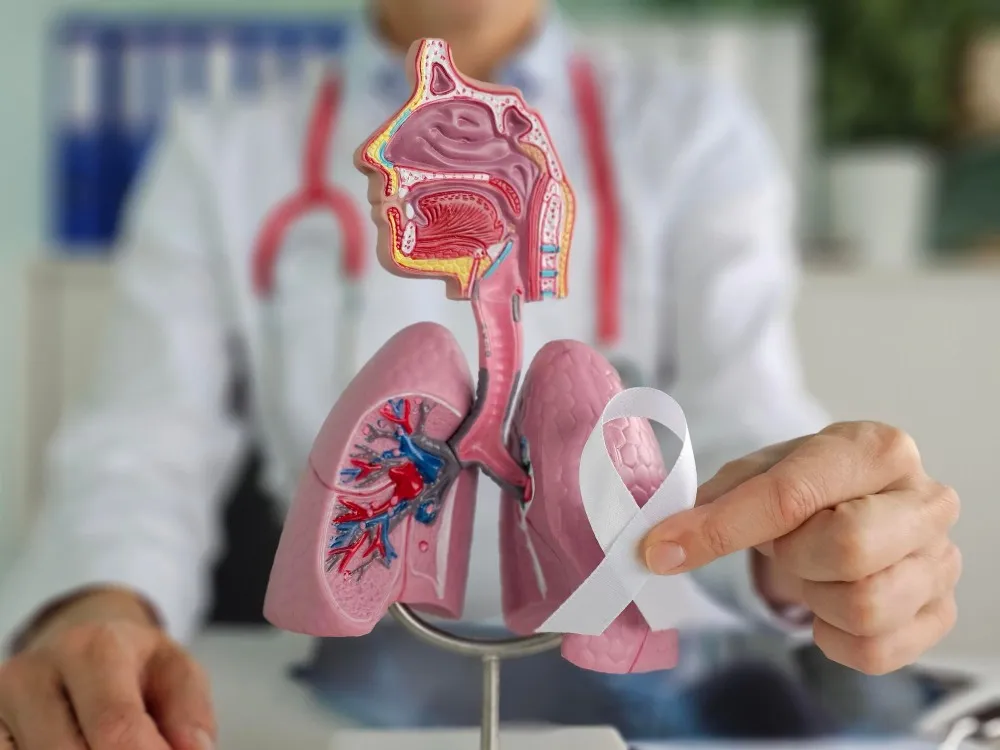
Surgical treatment may be relevant to selected cancers involving the lungs and other structures within the chest. The purpose and extent of surgery depend on the individual diagnosis.
When Can Surgery Be Considered?
Surgery is commonly evaluated when cancer appears technically removable and the patient's overall condition allows an operation.
The assessment may involve:
- CT imaging
- PET-CT where indicated
- Biopsy
- Pulmonary function testing
- Blood investigations
- Cardiac assessment in selected patients
- Evaluation of lymph nodes
- Review of other medical conditions
For lung cancer in particular, determining whether lymph nodes or distant organs are involved can significantly influence the treatment strategy.
Why Lung Function Is Important
Unlike many other operations, lung surgery can reduce the amount of functioning lung tissue. Doctors therefore need to estimate whether the remaining lung capacity will be sufficient after surgery.
Pulmonary function tests can provide useful information about breathing capacity. Age alone does not determine suitability for surgery. Functional status, heart health, lung function, smoking history, and other medical conditions may all contribute to the assessment.
Different Surgical Procedures Serve Different Purposes
Thoracic Cancer Surgery does not refer to one single operation.
Depending on the diagnosis, a surgeon may consider removal of a small portion of lung, a complete lung lobe, or more extensive tissue. Lymph node assessment can also be an important part of cancer surgery.
The extent of removal should be determined by oncological requirements rather than simply choosing the smallest possible operation.
Minimally Invasive Techniques May Be Suitable
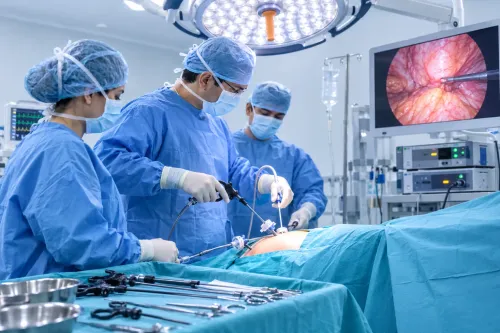
Some thoracic procedures can be performed using minimally invasive techniques through smaller incisions.
These approaches can potentially support earlier mobilization and postoperative recovery in appropriately selected patients. However, tumor size, location, lymph node involvement, previous treatment, and anatomical complexity may affect suitability.
Open surgery remains necessary in certain situations and should not be viewed as an inferior option when it provides safer or more appropriate access.
Preparing for Recovery
Recovery after chest surgery often includes active participation from the patient.
Breathing exercises, coughing techniques, pain control, physiotherapy, and early mobilization can help reduce postoperative complications. Smoking cessation is particularly important and may improve respiratory health around surgery.
Patients should also understand which symptoms after discharge require medical attention, such as increasing breathlessness, persistent fever, wound problems, or unexpected deterioration.
Treatment May Continue After Surgery
Surgery may be only one stage of treatment.
Once the tumor and relevant tissue are examined by pathology, additional information becomes available. Depending on the final stage and tumor characteristics, chemotherapy, radiation therapy, targeted treatment, immunotherapy, or surveillance may be discussed.
For patients exploring surgical oncology services in Nagpur, Dr. Parag Ingle can assess the role of surgery after reviewing the diagnosis, imaging, staging, and overall treatment context.
The central question is not simply whether a chest tumor can technically be removed. Effective cancer care requires determining whether Thoracic Cancer Surgery is likely to contribute meaningfully to disease control while balancing respiratory function, recovery, and the patient's broader treatment needs.
Keywords