Cancer treatment is no longer limited to surgery, chemotherapy, and radiotherapy alone. Immunotherapy has emerged as an important advancement in modern oncology, especially for selected cancers where the body’s immune system can be trained to recognize and fight cancer cells more effectively.
Many patients in Nagpur now ask whether immunotherapy is suitable for lung cancer, oral cancer, gastrointestinal cancers, or advanced-stage disease. While not every patient requires it, immunotherapy for cancer in Nagpur is becoming an important part of personalized treatment planning.
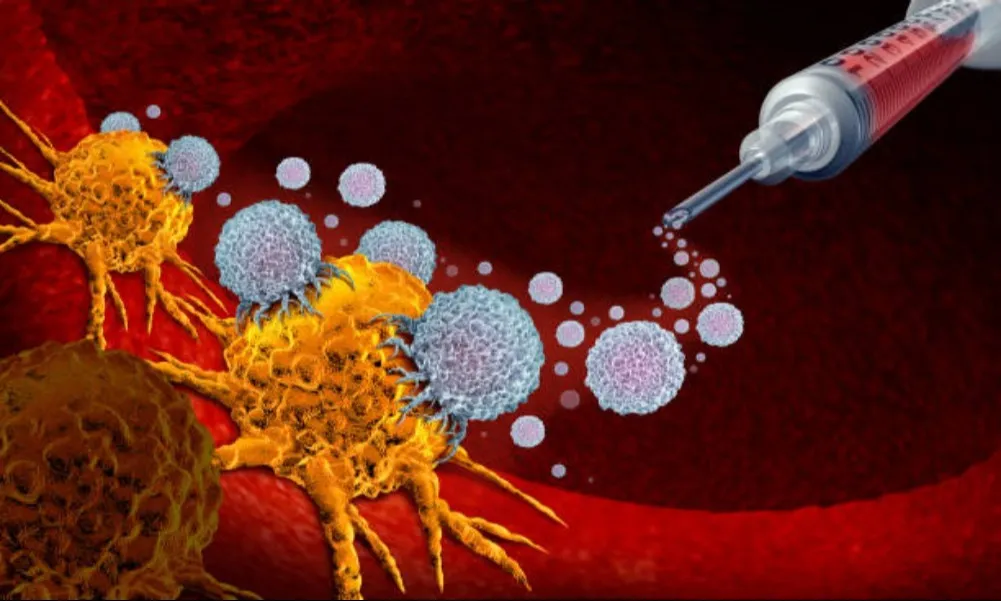
Unlike chemotherapy, which directly attacks rapidly dividing cells, immunotherapy works differently. It helps the immune system identify cancer cells that often escape normal immune detection mechanisms.
Some cancers where immunotherapy may be considered include:
- Lung cancer
- Melanoma
- Certain gastrointestinal cancers
- Kidney cancer
- Head and neck cancers
- Advanced or metastatic cancers
The decision depends heavily on biopsy reports, molecular testing, cancer stage, and the patient’s overall condition.
Patients often assume immunotherapy is completely side-effect free. That is not accurate. Although many individuals tolerate it better than traditional chemotherapy, immune-related reactions can still occur. These may affect the skin, lungs, intestines, thyroid, or liver in some patients.
Before starting treatment, oncologists generally evaluate:
- Cancer type
- Biomarker status
- Previous treatment history
- Disease spread
- Patient fitness
- Expected treatment goals
Personalized treatment planning has become increasingly important in cancer care across Maharashtra. Instead of applying one standard protocol to every patient, modern oncology focuses on targeted decisions based on pathology and disease behavior.
Many people searching for comprehensive cancer care in Nagpur are also looking for guidance beyond surgery alone. Cancer management today often involves collaboration between surgical oncologists, medical oncologists, radiologists, pathologists, and radiation specialists.
Dr. Parag Ingle is known for structured multidisciplinary cancer planning involving surgical oncology and advanced cancer management strategies for thoracic, gastrointestinal, breast, and oral cancers. Such integrated evaluation becomes especially useful when patients need second opinions regarding treatment combinations.
One common misconception is that immunotherapy replaces surgery entirely. In reality, surgery may still remain the primary treatment for localized cancers. Immunotherapy is usually considered in advanced disease, recurrent cancer, or specific biologically responsive tumors.
Another important concern among patients is affordability. Immunotherapy can sometimes be expensive depending on the drugs used and duration of treatment. This makes proper case selection extremely important.
Patients should also understand that early cancer detection still offers the best chances for successful treatment. Immunotherapy is an advancement in cancer care, but prevention, screening, and early diagnosis remain equally critical.
In Nagpur, awareness regarding modern cancer treatment options is steadily improving. More patients now seek detailed discussions about surgery, targeted therapy, radiotherapy, and immunotherapy before making decisions. Asking questions, understanding treatment goals, and evaluating all available options can help patients approach cancer care with greater clarity and confidence.
Keywords