
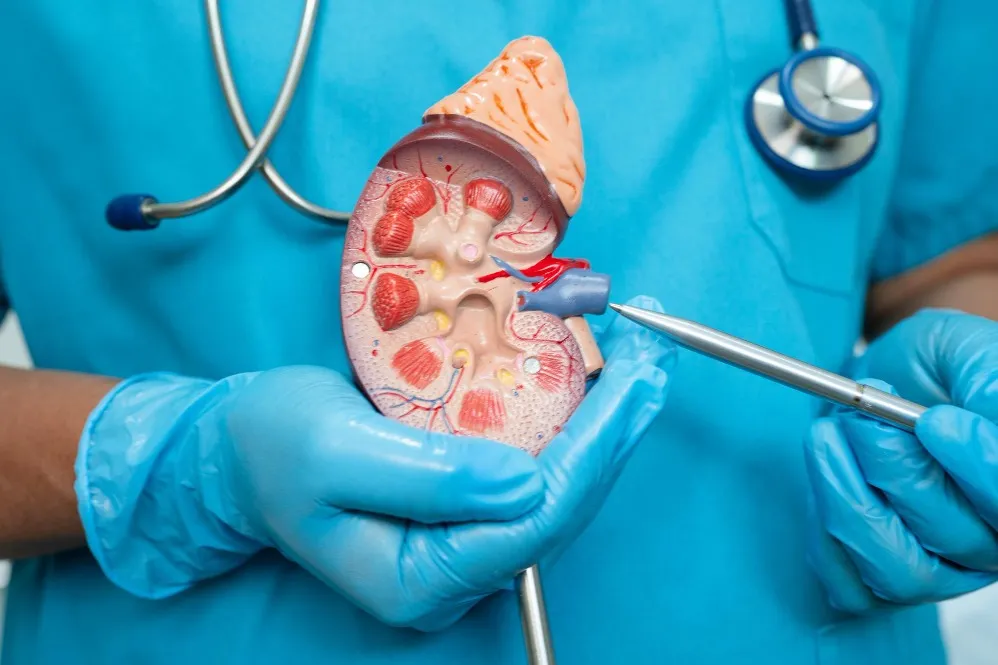
A diagnosis involving the kidney, bladder, prostate, testis, or another urinary organ often leads to an immediate question: will the entire organ have to be removed?
The answer depends on the cancer. Urological Cancer Surgery can range from organ-preserving procedures to more extensive operations, with decisions guided by tumor location, stage, biology, kidney function, overall health, and expected treatment outcomes.
Why Staging Changes the Surgical Plan
Cancer stage describes how extensive the disease is.
A small tumor confined to an organ may have very different treatment options from a cancer involving lymph nodes or distant sites. Imaging, biopsy findings, laboratory investigations, and other tests are used to establish the clinical picture before treatment.
Patients should avoid comparing their proposed operation directly with another person's experience. Two tumors with the same organ name may differ substantially.
Kidney Cancer Can Illustrate the Difference
Some kidney tumors can potentially be treated by removing the tumor while preserving the remaining kidney. This is known as a partial nephrectomy.
Other situations may require removal of the affected kidney.
Factors influencing the choice can include tumor size, position, complexity, kidney function, disease extent, and the condition of the opposite kidney.
Organ preservation is valuable when appropriate, but it must be balanced against complete and safe cancer removal.
Bladder Cancer Requires Careful Evaluation
Bladder cancer includes diseases with different levels of aggressiveness.
Some tumors can initially be treated through procedures performed via the urinary passage. More invasive cancers may require substantially different treatment, potentially including systemic therapy and major surgery.
This is why pathology details such as tumor grade and depth of invasion are important.
Surgical Technique Is Only One Part of the Decision
Patients frequently ask whether robotic or minimally invasive surgery is possible.
These techniques may offer advantages for selected procedures, but choosing Urological Cancer Surgery should begin with the cancer itself. The surgical objective, extent of disease, patient anatomy, previous treatment, and surgeon's assessment determine whether an open, laparoscopic, or robotic approach is suitable.
The technology should support the treatment plan rather than determine it.
Questions to Use During a Surgical Consultation
Before deciding on treatment, consider asking:
- What is the exact cancer type and stage?
- Is surgery necessary at this stage?
- Can part of the affected organ be preserved?
- What lymph node assessment is required?
- What are the possible effects on urinary function?
- Could sexual function be affected?
- What alternatives are available?
- Will additional cancer treatment be necessary?
These questions help patients evaluate the proposed operation based on outcomes that matter beyond the immediate hospital stay.
Dr. Parag Ingle provides surgical oncology consultation in Nagpur for patients who need assessment of cancer surgery options, including complex decisions involving tumor removal and preservation of normal structures where feasible.
For patients from Nagpur and other parts of Maharashtra, seeking evaluation with complete biopsy reports, scans, previous treatment records, and medication details can make the consultation more productive.
The goal of urological cancer surgery is not automatically to perform the largest or smallest operation. It is to select an oncologically appropriate procedure while considering organ function, treatment safety, recovery, and long-term care.
Keywords