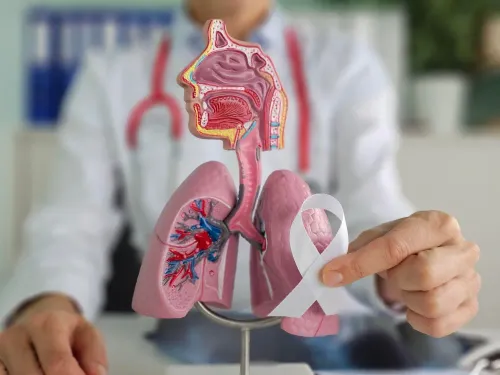

A mouth ulcer caused by accidental biting or hot food generally heals within a short period. A sore, patch or swelling that persists, however, should not be ignored. Oral cancer can begin on the tongue, gums, inner cheeks, lips, floor of the mouth or roof of the mouth, and its early signs may resemble common dental problems.
Knowing when to consult an oral cancer specialist can prevent repeated self-medication and unnecessary delays in diagnosis.
Warning Signs That Need Evaluation
An oral examination is advisable when any of the following changes remain for more than two weeks:
- A mouth ulcer that does not heal
- A red or white patch inside the mouth
- An unexplained lump or thickened area
- Bleeding without an obvious injury
- Persistent mouth or tongue pain
- Numbness of the lip, tongue or cheek
- Difficulty chewing, swallowing or speaking
- Reduced movement of the tongue or jaw
- A loose tooth without a clear dental cause
- Dentures that suddenly stop fitting properly
- A lump or swelling in the neck
- Persistent hoarseness or throat discomfort
These symptoms do not automatically mean that cancer is present. Dental infections, injuries and inflammatory conditions can cause similar changes. Nevertheless, persistent abnormalities require proper examination.
The National Cancer Institute identifies a non-healing sore, red or white patches, oral bleeding, numbness and difficulty swallowing among the possible signs of lip and oral cavity cancer. National Cancer Institute
Who Has a Higher Risk?
Tobacco is a major risk factor for oral cancer. This includes cigarettes, bidis, chewing tobacco, khaini, gutkha and other smokeless products. Areca nut or supari consumption can also damage the oral tissues, even when it is used without tobacco.
Other factors may include:
- Heavy or prolonged alcohol consumption
- Combined tobacco and alcohol use
- Previous oral precancerous lesions
- Long-term sun exposure affecting the lips
- A personal history of head and neck cancer
- Poor nutrition and persistent oral health problems
People without recognised risk factors can also develop oral cancer. Symptoms should therefore be assessed based on their persistence and clinical appearance, not only on tobacco history.
What Happens During an Evaluation?
The specialist first examines the lips, gums, cheeks, tongue, floor of the mouth, palate and throat. The neck is also checked for enlarged lymph nodes.
If an abnormal area looks suspicious, a biopsy may be recommended. A small tissue sample is examined by a pathologist to determine whether cancer cells are present. If cancer is confirmed, CT, MRI, PET-CT or other investigations may be used to understand its size and spread.
Why Early Diagnosis Makes a Difference
Smaller oral cancers may require less extensive treatment than advanced tumours. Earlier treatment can also improve the possibility of preserving speech, swallowing, appearance and jaw function.
Treatment may involve surgery, radiation, systemic therapy or a combination. The choice depends on the tumour location, depth, lymph-node status and overall stage.
For patients in Nagpur and nearby areas of Maharashtra, consulting a specialist is particularly important when a suspicious lesion continues despite routine dental treatment. Dr. Parag Ingle evaluates oral cancer cases with attention to tumour removal, lymph-node assessment and the preservation of essential functions wherever medically feasible.
A persistent oral change deserves a diagnosis, not guesswork. Timely examination is the safest way to distinguish a harmless condition from a potentially serious disease.
Keywords