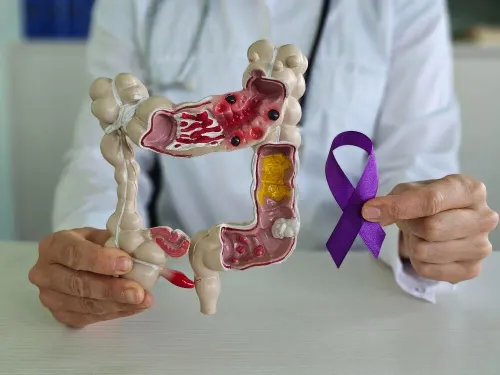

Indigestion, bloating, heartburn, nausea, and reduced appetite are common problems, but symptoms that persist, worsen, or change your usual pattern deserve more than repeated self-treatment. By the end, you will know which symptom patterns need medical review, which warning signs require prompt attention, and what details to record before speaking with a clinician.
Key takeaways
- Persistent or worsening symptoms need medical assessment, not repeated self-treatment.
- Watch for weight loss, vomiting, bleeding, anaemia, or trouble swallowing.
- Record symptom timing, triggers, medicines, weight changes, and appetite.
- Doctors may use endoscopy and biopsy to distinguish cancer from digestive conditions.
Why Early Stomach Cancer Can Feel Like Ordinary Indigestion
Early stomach cancer symptoms can look exactly like indigestion: upper-abdominal discomfort, bloating and belching, heartburn, nausea, reduced appetite, and early satiety all occur in reflux, gastritis, dyspepsia, or an ulcer. No single symptom separates cancer from those conditions.
Early disease can cause few or no symptoms, and severe pain is not required. Mild symptoms still matter when they persist, recur, or mark a clear change from your usual digestion, because symptom intensity does not reliably show what is happening.
| Symptom | Why it resembles a digestive problem | Why it still matters |
|---|---|---|
| Upper-abdominal discomfort | Feels like gas, gastritis, or an ulcer | Persistent discomfort deserves assessment even without severe pain |
| Bloating and belching | Common after meals and with swallowed air or reflux | Ongoing symptoms can signal a stomach problem requiring evaluation |
| Heartburn | Often points to acid reflux | Repeated or new heartburn cannot identify its cause by itself |
| Nausea | Occurs with indigestion, infection, or medication effects | Continuing nausea can reduce food intake and needs review |
| Reduced appetite | May follow stress, reflux, or temporary illness | Persistent loss of appetite can lead to unintentional weight loss |
| Early satiety | Feeling full after a few bites occurs with several benign conditions | A lesion or inflammation can interfere with eating; concern rises when fullness persists or progresses |
The absence of black stools, vomiting blood, or severe pain does not rule out stomach cancer. Symptoms alone cannot distinguish it from reflux, gastritis, dyspepsia, or peptic ulcer disease.
The Symptom Pattern Matters More Than One Bad Stomach Day
A single bad stomach day after a heavy, spicy, or unfamiliar meal often settles within hours or a few days. A brief stomach infection can also cause nausea and vomiting, then improve as the illness passes.
The concern rises when symptoms last beyond two to three weeks, recur frequently, progressively worsen, appear at night, or mark a clear change from your normal digestion.
| Pattern | More consistent with a short-lived upset | Needs medical evaluation |
|---|---|---|
| After a meal or illness | Starts after a specific food or brief infection and steadily improves | Returns without the same trigger or does not resolve |
| Indigestion or heartburn | Occasional burning or discomfort that responds and stays away | Persistent indigestion, nighttime symptoms, or symptoms that keep returning |
| Eating | Appetite returns and normal portions become comfortable | Early fullness after small meals, especially when it is persistent or progressively worsening |
| Nausea and vomiting | Ends as the illness settles | Repeated nausea and vomiting, vomiting after small meals, or inability to keep food down |
| Appetite and weight | Temporary loss of appetite with recovery | Loss of appetite with unintentional weight loss |
Early fullness becomes more concerning when it occurs with weight loss, iron-deficiency anemia, vomiting, or bleeding. Slow stomach bleeding can cause anemia without red blood in vomit or stool. These patterns do not prove cancer, but they should not be managed indefinitely as ordinary acidity.
When to Stop Treating It as Acidity and Seek Medical Care
Arrange a medical review if stomach symptoms last more than two to three weeks, return despite antacids or dietary changes, or worsen sooner. Do not keep blaming spicy food when the pattern is new, persistent, or different from your normal digestion.
Seek prompt medical attention for:
- vomiting blood or passing black tarry stools
- repeated vomiting or inability to keep fluids down
- progressive difficulty swallowing
- severe or worsening abdominal pain
- faintness, marked weakness, or symptoms suggesting significant blood loss
- unexplained weight loss or steadily declining appetite
- possible iron-deficiency anemia, such as unusual tiredness, pale skin, breathlessness, dizziness, or a blood-test result showing low iron
Vomiting blood or black tarry stools can signal active upper-digestive-tract bleeding and require urgent assessment. Severe pain, faintness, or repeated vomiting also should not wait for a routine appointment.
Visible bleeding is not necessary for a stomach problem to cause anemia. Slow blood loss in small amounts can continue without red blood in vomit or stool, so unexplained iron-deficiency anemia deserves medical investigation even when bowel movements look normal.
These warning signs do not prove stomach cancer; ulcers, gastritis, reflux complications, and other conditions can cause them. They do show that repeated self-treatment is no longer a safe way to decide what is happening.
How Doctors Tell Digestive Conditions Apart from Stomach Cancer
Symptoms alone cannot diagnose or exclude stomach cancer because reflux, gastritis, ulcers, medication effects, and cancer can produce similar complaints. Persistent or progressive symptoms, alarm findings, or significant risk factors make specialist assessment useful, even when indigestion seems more likely.
A clinician may use:
- Medication review to identify painkillers such as ibuprofen, aspirin, or other drugs that irritate the stomach.
- Blood tests for iron-deficiency anemia and other evidence of slow blood loss.
- H. pylori testing, because untreated infection raises gastric-cancer risk and requires appropriate eradication treatment.
- Upper endoscopy with biopsy, also called esophagogastroduodenoscopy or EGD, to inspect the stomach lining and remove tissue for laboratory examination. This is the test that usually establishes whether cancer is present.
- CT and PET scans to look for enlarged lymph nodes or cancer spread, and endoscopic ultrasound to assess how deeply a lesion enters the stomach wall. These tests answer staging questions and do not usually replace biopsy.
Age, a family history of stomach cancer, atrophic gastritis, intestinal metaplasia, or other premalignant changes can lower the threshold for endoscopy and surveillance. Pathogenic CDH1 or CTNNA1 variants require genetic counseling and specialist prevention planning; risk-reducing total gastrectomy is considered in confirmed hereditary diffuse gastric cancer.
For persistent or alarm symptoms in Nagpur, Dr.Parag Ingle - Surgical Oncologist can assess whether specialist evaluation, endoscopy, or risk-based follow-up is appropriate.
What to Record Before Your Appointment
Keep a symptom tracker, recording each episode rather than relying on memory. Bring these details to your appointment:
- Onset, frequency, and duration: when symptoms began, how often they occur, and how long each lasts.
- Meal pattern: relation to eating, early fullness after small amounts, bloating, belching, heartburn, nausea, or vomiting.
- Pain: exact location, severity, and whether it spreads; record nighttime symptoms separately.
- Bowel changes: stool colour, especially black or tarry stools.
- Appetite and weight: reduced appetite and measured weight on specific dates, not an estimate.
- Treatment: every medicine, dose, duration, and antacid use; include temporary relief.
- Exposures and history: alcohol, tobacco, prior H. pylori treatment, known anemia or iron deficiency, and relatives with stomach cancer or other stomach cancer risk factors.
| Record | Compare over time | Why it helps |
|---|---|---|
| Meal-related symptoms | One meal versus repeated episodes | Shows whether the pattern persists beyond a food trigger |
| Weight and appetite | Stable versus falling weight or worsening appetite | Separates a measured change from assumption |
| Medicines and antacids | Relief that lasts versus relief that quickly returns | Guides review instead of repeated self-treatment |
Do not blame every episode on spicy food, treat temporary relief as a cure, or label unintentional weight loss intentional. Extensive atrophic gastritis and intestinal metaplasia, strong family history, or hereditary risk require individualized follow-up, not symptom-based reassurance.
Frequently asked questions
Why can early stomach cancer feel like indigestion?
Early stomach cancer can cause upper-abdominal discomfort, bloating, belching, heartburn, nausea, reduced appetite, and early satiety. These symptoms also occur with reflux, gastritis, dyspepsia, and ulcers.
Which symptom pattern should prompt medical care?
Seek medical care when symptoms persist, worsen, recur despite treatment, or occur with warning signs such as unexplained weight loss, vomiting, bleeding, anaemia, or difficulty swallowing.
How do doctors distinguish stomach cancer from digestive problems?
Doctors review your symptom history and examine you, then choose tests based on your findings. Upper gastrointestinal endoscopy allows direct inspection of the stomach, and a biopsy is needed to confirm cancer.
What should I record before a stomach-symptom appointment?
Record when symptoms began, how often they occur, foods or medicines that trigger them, appetite and weight changes, vomiting or black stools, and treatments you have tried.